
Dental Bridges Last How Long? What Your Dentist Won’t Volunteer
Many patients in Homeacre-Lyndora ask the same question after getting a dental bridge: how long will this actually last? The honest answer surprises most people. Dental bridges can last anywhere from 5 to 15 years — or even longer. But that range depends on factors your dentist doesn’t always explain upfront. This article breaks down what shapes a bridge’s lifespan, what shortens it, and how you can make yours last as long as possible.
What Determines How Long a Dental Bridge Lasts in Homeacre-Lyndora?
A dental bridge is only as strong as the teeth supporting it. Those supporting teeth — called abutment teeth — carry the load of the artificial tooth in the middle. If they weaken over time, the entire bridge becomes vulnerable. That’s the first thing many dentists skip over in their explanation.
Material choice also plays a major role. Porcelain-fused-to-metal bridges are durable but can chip. All-ceramic bridges look natural but may not handle heavy bite pressure as well. Zirconia bridges are increasingly popular because they balance strength and aesthetics well.
Your bite pattern matters too. Patients who grind their teeth — a condition called bruxism — put excessive stress on bridges. This can crack the material or loosen the cement holding the bridge in place. Dr. Xiaozhu Sue Chu at Pearl Dentistry of Butler evaluates all of these factors before recommending a bridge.
Habits That Shorten Your Dental Bridge’s Lifespan
Several everyday habits quietly damage dental bridges over time. Many patients don’t realize the harm until it’s too late. Understanding these risks helps you protect your investment.
- Chewing hard foods — Ice, hard candy, and tough meats stress the bridge structure.
- Skipping flossing — Bacteria build up under the bridge, attacking the abutment teeth.
- Grinding your teeth at night — This accelerates wear and can crack the bridge material.
- Using teeth as tools — Opening packages or biting nails applies uneven pressure.
- Neglecting regular checkups — Small problems go undetected and worsen over time.
Each of these habits compounds over months and years. A bridge that should last 12 years might fail at 6 because of preventable damage. The good news is that most of these habits are correctable once you’re aware of them.
What Extends the Life of a Dental Bridge
The patients who get the most years out of their bridges follow a consistent care routine. Small daily actions make a measurable difference over time. Here’s what the research and clinical experience support.
- Brush twice daily with a soft-bristled toothbrush and fluoride toothpaste.
- Floss under the bridge using a floss threader or water flosser every day.
- Wear a night guard if you grind your teeth during sleep.
- Avoid sticky or hard foods that pull at or crack the bridge.
- Schedule regular professional cleanings to remove tartar buildup around the abutment teeth.
Consistent Dental Exams And Teeth Cleaning Homeacre-Lyndora are essential for bridge longevity. Professional cleanings remove calculus that a toothbrush simply cannot reach. They also give Dr. Chu the chance to spot early signs of bridge failure before they become costly problems.
Keeping the gum tissue healthy around the bridge is equally important. Gum disease weakens the bone supporting the abutment teeth. Healthy gums mean a more stable foundation for your bridge over the long term.
Warning Signs Your Bridge May Be Failing
Bridges don’t usually fail all at once. They give off warning signals first. Recognizing these signs early can save you from losing the bridge entirely — or worse, the teeth supporting it.
Watch for sensitivity or pain around the abutment teeth. This can signal decay developing underneath the bridge where it’s hard to clean. A loose or shifting feeling in the bridge is another red flag. Bridges should feel completely stable — any movement means the cement bond may be breaking down.
Visible cracks, chips, or changes in bite alignment are also serious signs. If your bite feels different when you chew, the bridge may have shifted. Bad breath or a persistent bad taste near the bridge can indicate trapped bacteria and infection. Don’t wait if you notice any of these symptoms.
If a bridge problem becomes urgent, Emergency Dentistry Homeacre-Lyndora is available at Pearl Dentistry of Butler. Prompt attention to a failing bridge can often save the underlying teeth and avoid more extensive treatment.
When to Replace a Dental Bridge — Honest Timelines
Most traditional dental bridges last between 10 and 15 years with proper care. Some patients keep theirs functional for 20 years or more. Others need replacement sooner due to decay, trauma, or wear. There is no single universal answer — your outcome depends on your unique oral health situation.
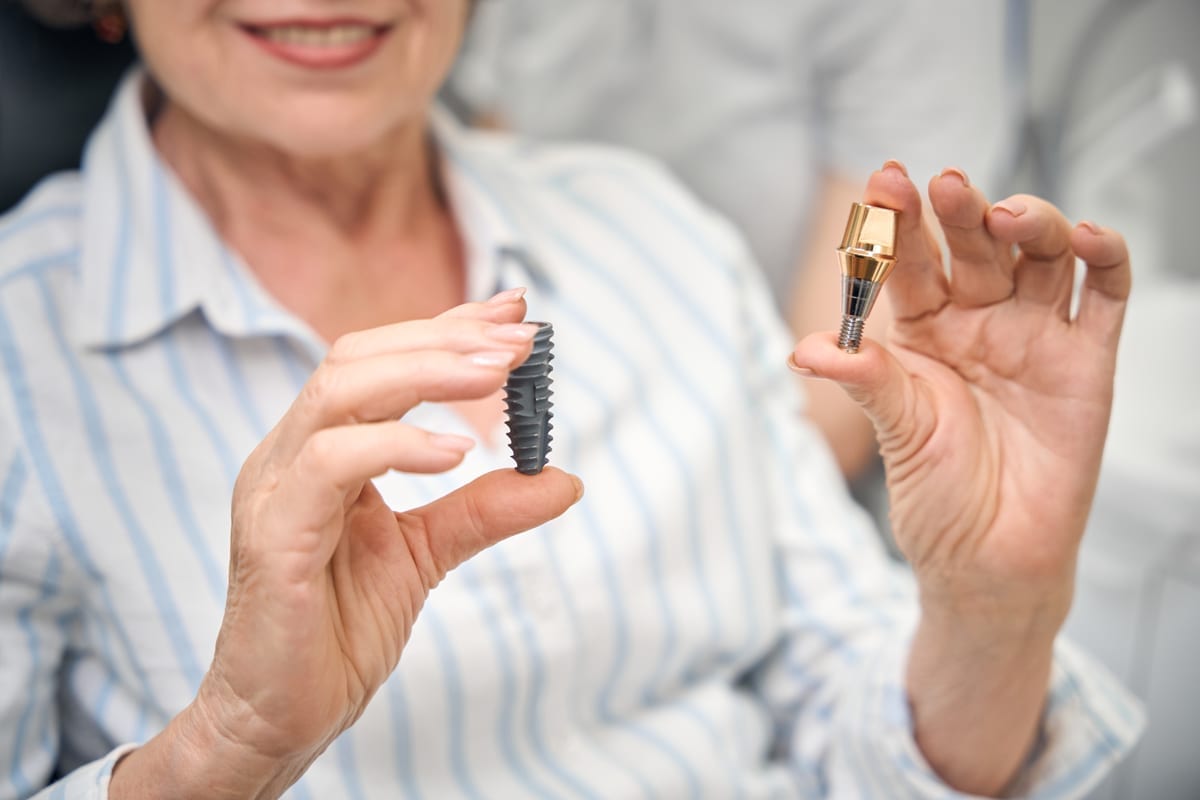
When a bridge does need replacement, the process is similar to the original placement. Dr. Chu will evaluate the abutment teeth to see if they can support a new bridge. In some cases, a patient may transition to a dental implant instead, which offers a longer-term solution.
Implants can last a lifetime with proper care, making them a strong option for patients who want to avoid future replacements. However, bridges remain a valuable and cost-effective choice for many patients in Homeacre-Lyndora. The right decision depends on your bone density, overall health, and personal preferences.
Pearl Dentistry of Butler takes a thorough, individualized approach. Dr. Xiaozhu Sue Chu explains your options clearly so you can make an informed decision — not one driven by what’s easiest or most profitable.
Taking Care of Your Bridge Starts with the Right Team
Understanding how long dental bridges last — and what your dentist might not volunteer — puts you in control of your oral health. In Homeacre-Lyndora, patients deserve clear, honest information about their restorations. The lifespan of your bridge isn’t fixed. Your habits, your hygiene routine, and your relationship with your dental team all shape the outcome.
At Pearl Dentistry of Butler, Dr. Chu and her team prioritize patient education at every visit. We believe informed patients make better decisions and achieve better long-term results. Whether you’re considering a bridge, already have one, or suspect yours needs attention, we’re here to help. Book Now to schedule your appointment with our team.
Frequently Asked Questions
How long does a dental bridge typically last?
Most dental bridges last between 10 and 15 years. With excellent oral hygiene and regular dental checkups, some bridges remain functional for 20 years or more. The lifespan varies based on the materials used, your bite, and how well you care for your teeth.
Can a dental bridge be repaired, or does it always need replacing?
Minor chips or small issues can sometimes be repaired without full replacement. However, if the bridge is cracked, the cement has failed significantly, or the supporting teeth are damaged, full replacement is usually necessary. Your dentist will evaluate the bridge and give you the most conservative option that still protects your oral health.
What happens to the teeth under a dental bridge over time?
The abutment teeth — the natural teeth that anchor the bridge — can develop decay beneath the bridge if not cleaned properly. This is one of the most common reasons bridges fail prematurely. Daily flossing under the bridge and regular professional cleanings are essential to keeping those teeth healthy.
Is a dental implant better than a bridge for long-term results?
Dental implants can last a lifetime when properly maintained, making them a longer-term solution than traditional bridges. However, bridges are still a great option for many patients depending on bone health, overall health, and individual needs. A consultation with Dr. Chu can help you determine which option makes the most sense for your situation.
How often should I have my dental bridge checked?
You should have your bridge professionally evaluated at least twice a year during your regular dental exams and cleanings. Dr. Chu will check the fit, the condition of the abutment teeth, and the integrity of the bridge material at each visit. Catching problems early significantly extends the life of the bridge.