
Teeth Whitening Sensitivity: Why It Happens and How to Prevent It
Teeth whitening sensitivity is one of the most common concerns patients share with us at Pearl Dentistry of Butler. Many people in Butler, PA want a brighter smile but worry about discomfort during or after treatment. Understanding why sensitivity happens — and how to prevent it — makes the entire experience much easier. This guide walks you through everything you need to know about teeth whitening sensitivity and how to keep your smile comfortable throughout the process.
What Causes Teeth Whitening Sensitivity in Butler Patients?
Whitening products work by using peroxide-based agents to break down stains inside the tooth enamel. During this process, the peroxide temporarily opens tiny pores in the enamel. This allows the whitening agent to reach deeper stain molecules beneath the surface.
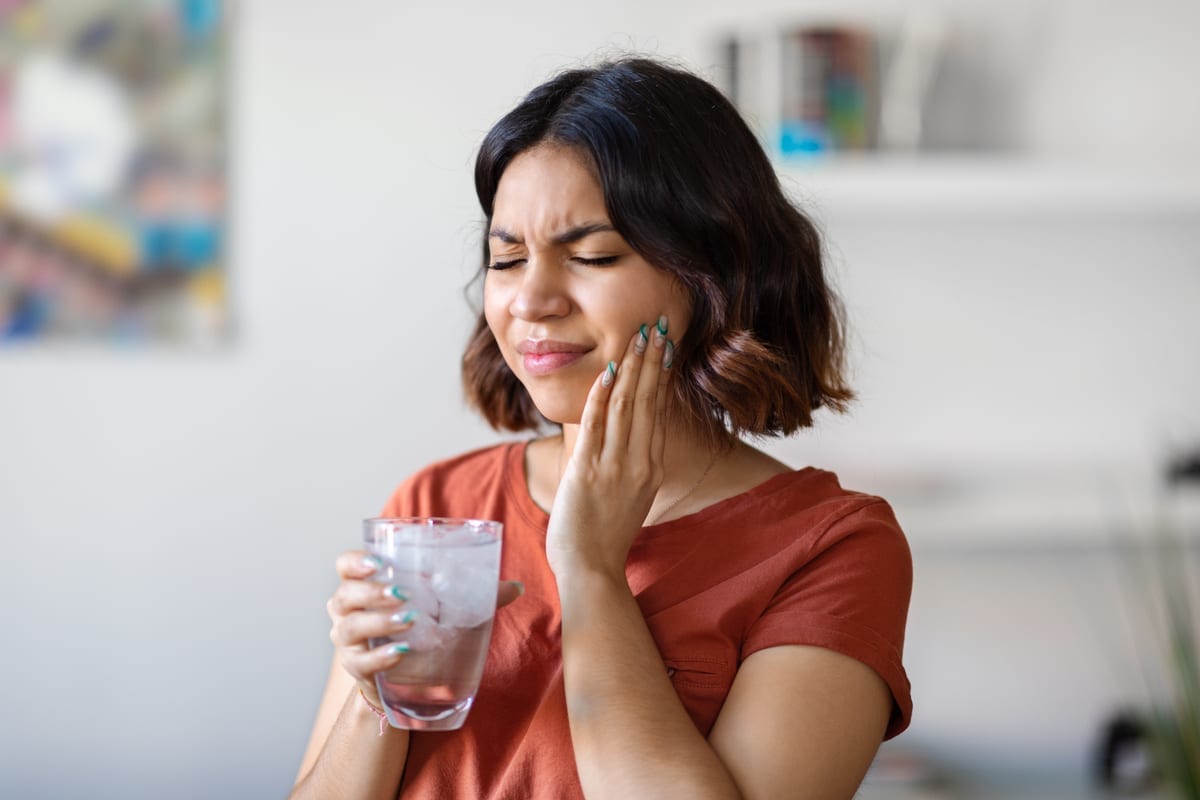
When those pores open, the inner layer of your tooth — called the dentin — becomes more exposed. Dentin contains tiny tubes that connect directly to the nerve of the tooth. When these tubes are exposed, heat, cold, or air can trigger a sharp, temporary sensitivity sensation.
Several factors increase the likelihood of experiencing sensitivity after whitening:
- Pre-existing thin or worn enamel
- Naturally sensitive teeth before treatment begins
- Using whitening products too frequently
- Leaving whitening gel on longer than recommended
- Choosing high-concentration products without professional guidance
Not everyone experiences the same level of discomfort. Some patients feel nothing at all, while others notice a mild zing with cold water. Knowing your risk factors helps Dr. Xiaozhu Sue Chu customize a whitening approach that works best for you.
How Dentists Minimize Whitening Sensitivity During Treatment
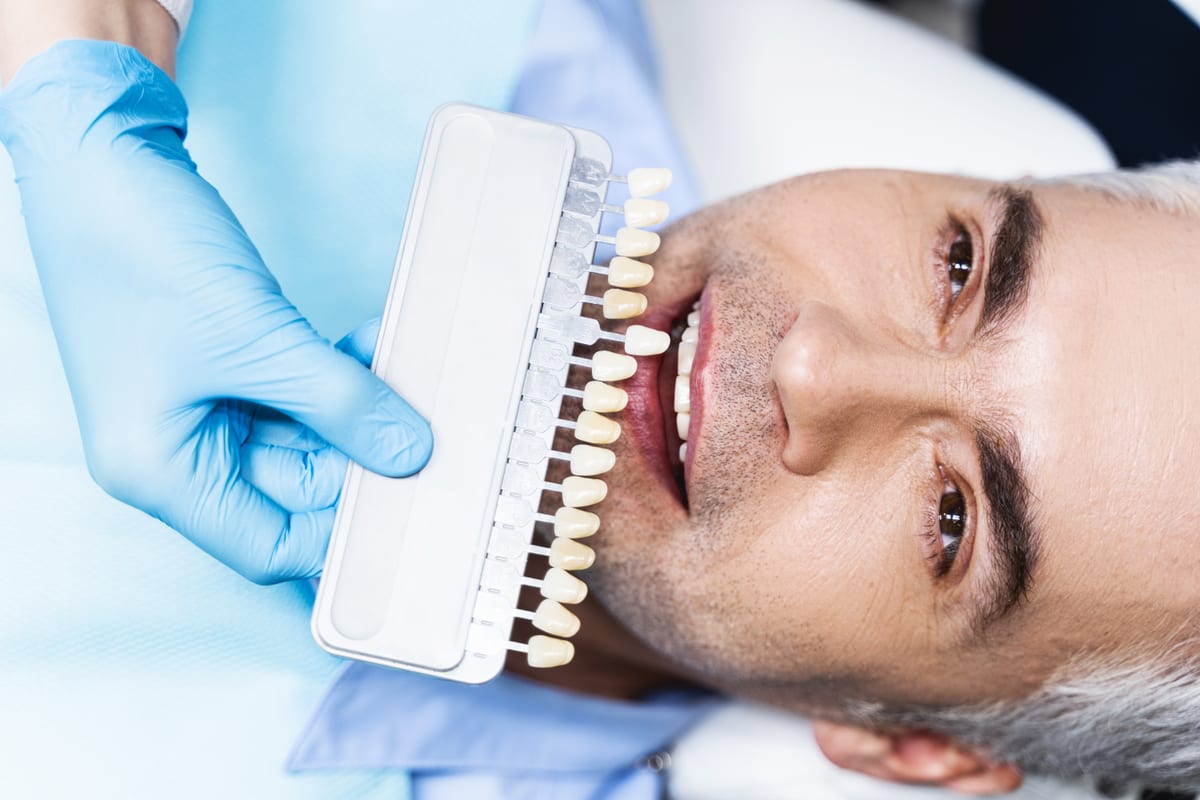
Professional whitening at Pearl Dentistry of Butler is carefully designed to reduce sensitivity risks. Dr. Chu evaluates your oral health before recommending any whitening treatment. This includes checking enamel thickness, existing restorations, and any signs of gum recession.
A thorough evaluation often starts with Dental Exams And Teeth Cleaning Butler, which ensures your teeth are free of plaque, tartar, and early decay before whitening begins. Clean teeth respond more evenly to whitening agents and reduce the chance of uneven sensitivity.
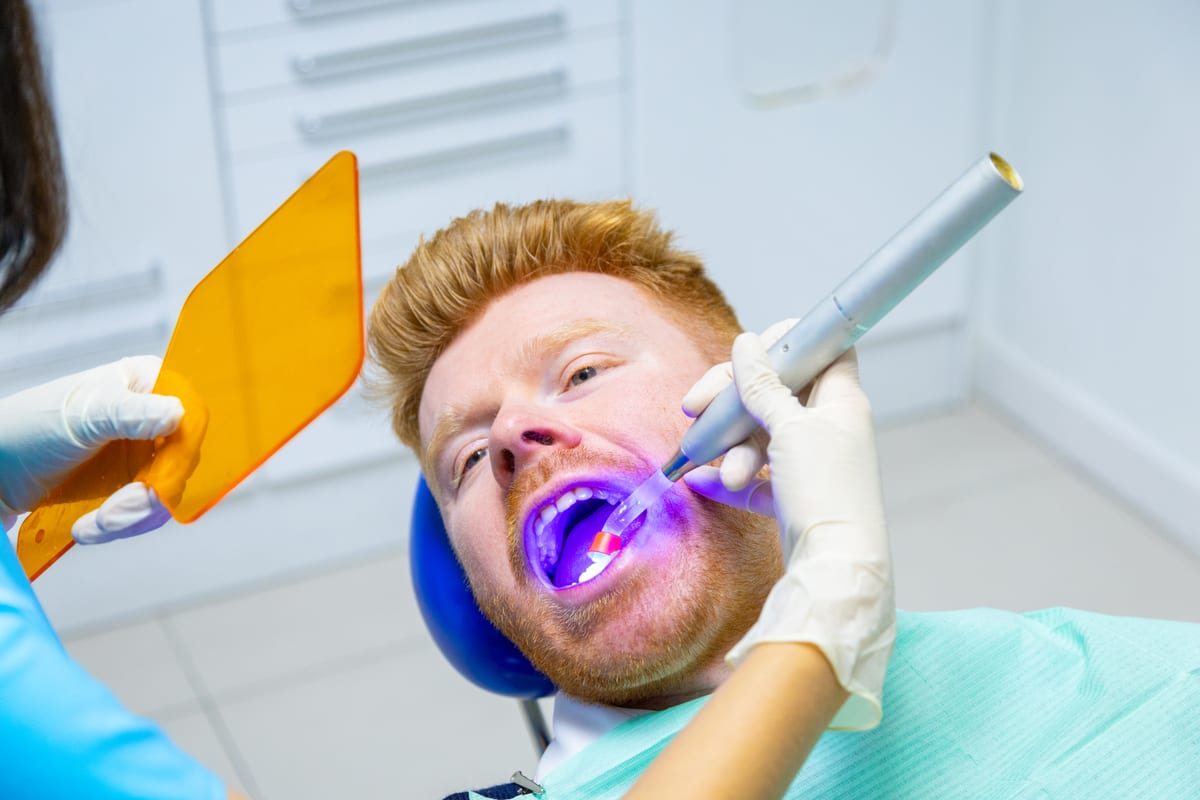
During professional whitening, dentists use several strategies to protect your comfort:
- Applying desensitizing gels before or after treatment
- Using custom-fitted trays that minimize gel contact with gum tissue
- Selecting peroxide concentrations appropriate for your sensitivity level
- Scheduling shorter whitening sessions with breaks in between
- Recommending fluoride treatments to strengthen enamel before whitening
These professional safeguards are simply not available with over-the-counter whitening strips. The difference in comfort and outcome is significant for most patients.
At-Home Tips to Prevent and Soothe Whitening Sensitivity
Even with professional care, some mild sensitivity can occur after whitening. The good news is that patients can take several steps at home to manage and prevent discomfort. Most sensitivity after professional whitening fades within 24 to 72 hours.
Before your whitening appointment, switch to a sensitivity toothpaste for at least two weeks. These toothpastes contain potassium nitrate or stannous fluoride, which help calm nerve responses inside the tooth. Using them consistently before treatment builds a protective buffer.
After whitening, follow these practical tips to reduce discomfort:
- Avoid very hot or very cold foods and drinks for 48 hours
- Skip acidic foods like citrus, vinegar, and soda immediately after treatment
- Use a soft-bristled toothbrush and gentle brushing pressure
- Apply a small amount of desensitizing gel directly to teeth if discomfort occurs
- Take an over-the-counter pain reliever if sensitivity feels uncomfortable
Staying consistent with these habits makes a noticeable difference. Patients who prepare ahead of time often report far less discomfort than those who start whitening without any preparation.
When Sensitivity Might Signal Something More Serious
Mild sensitivity after whitening is normal and temporary. However, certain types of pain deserve professional attention right away. If you experience sharp, lingering pain that does not fade within a few days, this could indicate an underlying dental issue.
Conditions like cracked teeth, deep cavities, or exposed roots can make whitening much more uncomfortable. Attempting to whiten teeth with untreated decay or damage can worsen existing problems. This is exactly why a dental evaluation before whitening is so important.
If you develop severe or persistent tooth pain after any dental treatment, do not wait to seek care. Reaching out to Emergency Dentistry Butler can help you get fast, professional relief when pain becomes difficult to manage at home.
Dr. Chu and the Pearl Dentistry of Butler team take sensitivity concerns seriously. No whitening result is worth long-term discomfort or damage to your teeth. Always communicate openly with your dental provider about any pain you experience.
Is Professional Whitening Right for You in Butler, PA?
Professional teeth whitening is safe and effective for most healthy adults. However, it is not the right choice for everyone in every situation. Patients with severe enamel erosion, untreated gum disease, or certain restorations may need alternative treatments to brighten their smiles.
Dr. Xiaozhu Sue Chu takes time to review your full dental history before recommending whitening. She explains all available options clearly so you can make an informed decision. Patients in Butler, PA appreciate this thoughtful, personalized approach to cosmetic care.
If whitening is not ideal for your situation, alternatives like dental bonding or porcelain veneers can achieve a brighter, more uniform smile with less sensitivity risk. Your smile goals are always within reach — it simply takes the right plan to get there safely.
Pearl Dentistry of Butler is here to guide Butler residents through every step of their smile journey. Ready to explore your whitening options safely and comfortably? Book Now to schedule your appointment with our team.
Frequently Asked Questions
How long does teeth whitening sensitivity last?
Most patients experience sensitivity for 24 to 72 hours after a professional whitening treatment. In some cases, mild tingling can last up to a week. Using a desensitizing toothpaste and avoiding temperature extremes helps symptoms resolve faster.
Can I whiten my teeth if I already have sensitive teeth?
Yes, but it requires careful planning. Dr. Chu recommends using a sensitivity toothpaste for two weeks before treatment and selecting a lower-concentration whitening agent. Professional whitening is safer for sensitive teeth than most over-the-counter options because concentration and application time are carefully controlled.
Does professional whitening cause more sensitivity than whitening strips?
Professional whitening uses higher-concentration gels, but dentists apply protective measures that strips do not offer. Custom-fitted trays, gum barriers, and desensitizing agents significantly reduce discomfort. Many patients actually report less sensitivity with professional treatment compared to prolonged strip use.
What foods should I avoid after teeth whitening to reduce sensitivity?
Avoid very hot or very cold foods and beverages for at least 48 hours. Skip acidic items like citrus fruits, tomatoes, coffee, and carbonated drinks. Stick to room-temperature, mild foods like bananas, yogurt, oatmeal, and water during the recovery period.
How often can I safely whiten my teeth in Butler, PA?
Most dental professionals recommend waiting at least six months between whitening treatments. Whitening too frequently weakens enamel over time and increases sensitivity. Dr. Chu will help you determine a safe whitening schedule based on your enamel health and smile goals.