

Your Cracked Tooth Doesn’t Have to Ruin Your Day: Emergency Care Guide
A cracked or broken tooth can stop you in your tracks. The pain, the shock, and the uncertainty can feel overwhelming — especially if it happens at work or on a weekend in Butler, PA. But here is the good news: your cracked tooth doesn’t have to ruin your day, and this Emergency Care Guide for Butler patients will walk you through exactly what to do. Whether your tooth chipped on a pretzel or cracked during a fall, fast and smart action makes a real difference. At Pearl Dentistry of Butler, Dr. Xiaozhu Sue Chu and her team are here to help you through it.
Why a Cracked Tooth Is a Dental Emergency in Butler
Not every dental problem needs same-day care. A cracked tooth, however, is different. Cracks can spread quickly, and what starts as a minor fracture can become a serious problem within hours or days. The inner pulp of the tooth — which contains nerves and blood vessels — becomes vulnerable when a crack forms.
Bacteria can enter the crack and cause infection. That infection can spread beyond the tooth if left untreated. In severe cases, a cracked tooth can lead to the need for a root canal or even a tooth extraction. Seeking Emergency Dentistry Butler care right away gives you the best chance of saving the tooth and avoiding more complex treatment later.
Common causes of cracked teeth include biting down on hard foods, trauma to the face, teeth grinding, and old or large fillings that weaken tooth structure. Even extreme temperature changes can cause a crack in an already weakened tooth. Knowing the cause can help your dentist determine the best treatment approach.
What to Do Right Away: Your First Steps After a Crack or Break
The moments after a tooth cracks matter. Acting quickly and correctly can reduce pain and protect the damaged tooth until you reach our Butler office. Follow these steps as soon as the injury happens:
- Rinse your mouth gently with warm water to clean the area and remove any debris.
- Apply gentle pressure with a clean gauze or cloth if there is any bleeding.
- Use a cold compress on the outside of your cheek to reduce swelling.
- Take an over-the-counter pain reliever like ibuprofen to manage discomfort — never place aspirin directly on the tooth or gum.
- Save any broken pieces of the tooth and bring them with you to your appointment.
- Avoid eating on the affected side of your mouth until you are seen by a dentist.
- Cover the tooth temporarily with dental wax or sugar-free gum if the sharp edge is irritating your tongue or cheek.
These steps help stabilize the situation. They do not replace professional care, but they reduce your risk of making the injury worse before you can be seen.
What to Avoid After a Cracked Tooth
Just as important as knowing what to do is knowing what NOT to do. Some well-meaning actions can actually cause more harm to a cracked tooth. Avoid these common mistakes in the hours before your appointment.
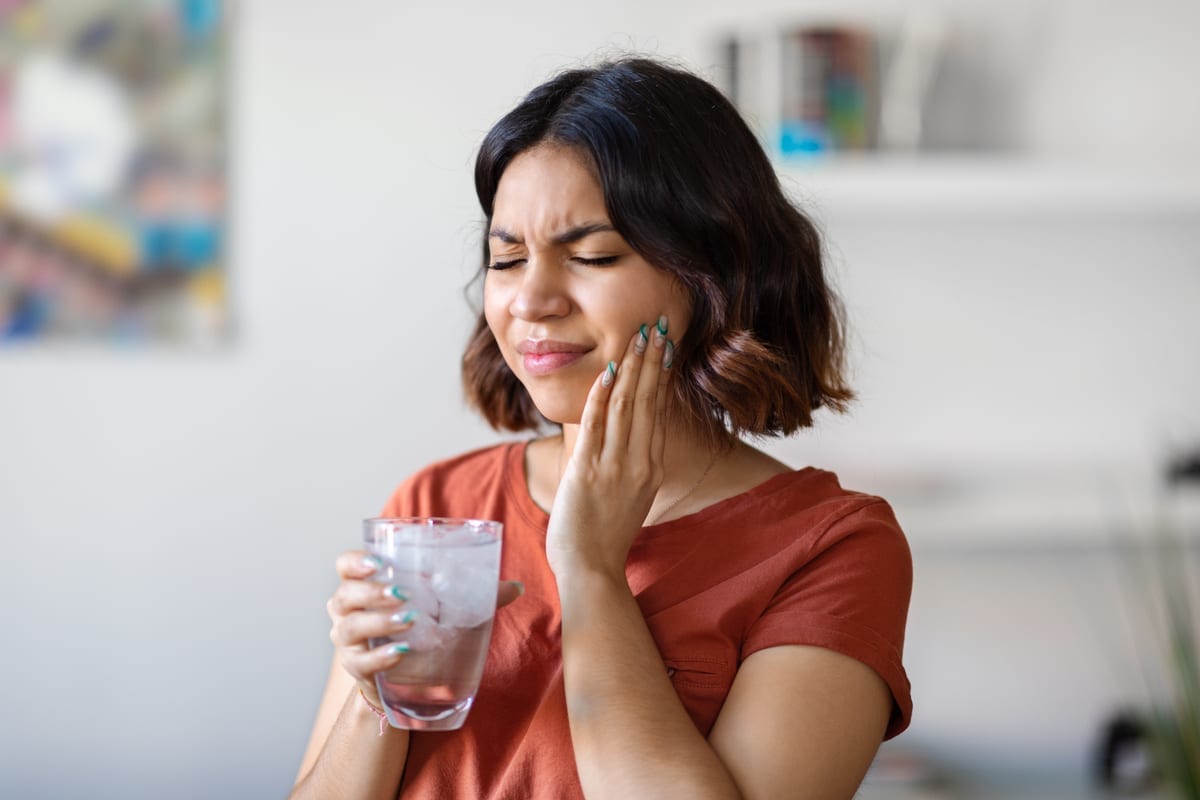
Do not eat hard, crunchy, or chewy foods. Chewing on the cracked tooth can cause the fracture to deepen or the tooth to split completely. Avoid very hot or very cold beverages as well. Extreme temperatures can trigger sharp nerve pain and may worsen the crack.
Do not ignore the crack even if the pain subsides. It is tempting to assume everything is fine once the discomfort fades. But cracks do not heal on their own. The underlying damage remains and can worsen without treatment. Do not attempt to fix the tooth yourself with glue or adhesives — these products are not safe for oral use and can damage your gum tissue or interfere with professional repair.
What to Expect at Your Emergency Appointment at Pearl Dentistry of Butler
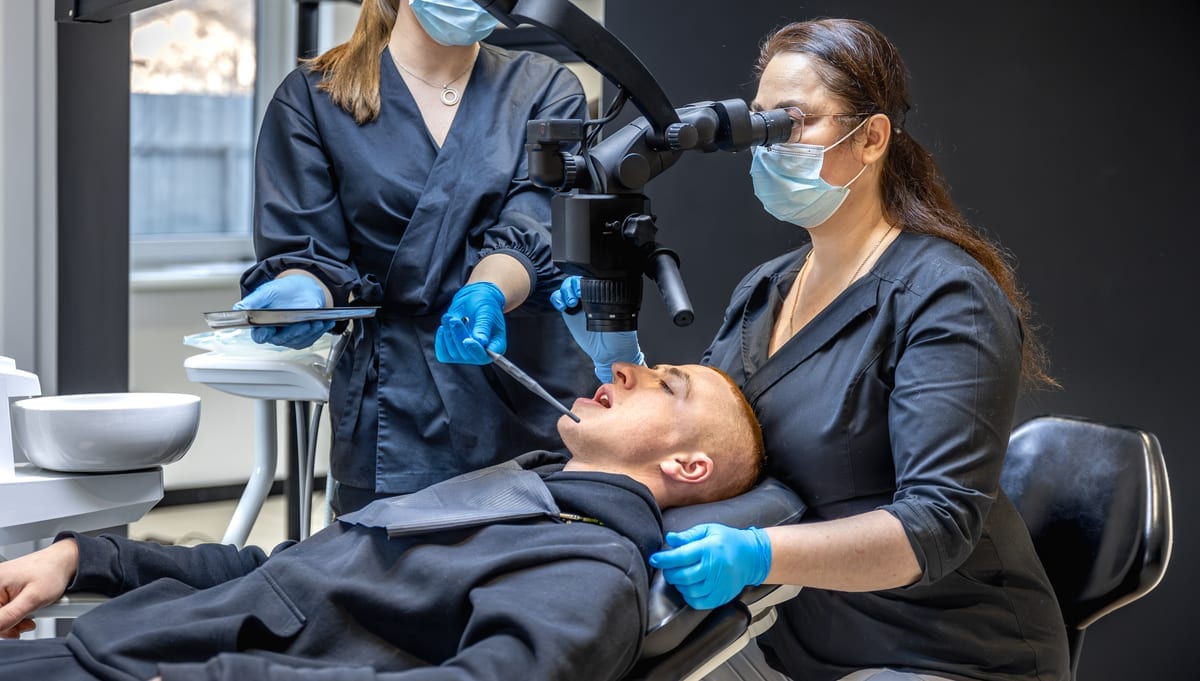
When you come in to see Dr. Chu with a cracked or broken tooth, she will begin with a thorough evaluation. She needs to understand the full extent of the damage before recommending treatment. This process is straightforward and designed to get you comfortable as quickly as possible.
Here is what typically happens during an emergency visit for a cracked tooth:
- Clinical examination — Dr. Chu will visually examine the tooth and surrounding tissue to assess the visible damage.
- Dental X-rays — X-rays help reveal how deep the crack extends and whether the root is affected.
- Pain assessment — You will describe where and how the pain feels to help identify the severity of the crack.
- Treatment recommendation — Based on her findings, Dr. Chu will explain your options in clear, simple terms.
- Same-day treatment when possible — Depending on the severity, treatment may begin during the same visit.
Treatment options vary based on the type and depth of the crack. A minor chip may only need dental bonding or a simple smooth. A larger break may require a crown. If the pulp is affected, a root canal may be necessary before placing a crown. In the most severe cases where the tooth cannot be saved, a tooth extraction followed by a dental implant may be the best path forward.
Protecting Your Teeth in Butler: Prevention After Treatment
Once your cracked tooth has been treated, protecting your smile matters. Dr. Chu will give you personalized guidance based on your situation. But there are general habits that help prevent future cracks and fractures. Keeping up with regular Dental Exams And Teeth Cleaning Butler appointments is one of the most effective things you can do.
During routine exams, your dentist can spot early signs of enamel wear, grinding damage, or weakened teeth — before they crack. Early detection prevents emergencies. It is that simple. Other protective steps include wearing a custom mouthguard if you grind your teeth at night, avoiding chewing on ice or hard candy, and addressing old or large fillings before they compromise tooth structure.
A healthy, strong smile starts with consistent care. Taking your oral health seriously every day means fewer surprises and fewer emergencies. Butler residents who stay on top of preventive care tend to need far fewer emergency visits over time.
Frequently Asked Questions
How do I know if my cracked tooth is a dental emergency?
If you have severe pain, visible damage, bleeding, or swelling, treat it as an emergency and contact a dentist right away. Even if the pain is mild, a crack should be evaluated promptly. Small cracks can worsen quickly and lead to infection or tooth loss if ignored.
Can a cracked tooth heal on its own?
No. Teeth cannot repair themselves the way bones can. A cracked tooth requires professional dental treatment to prevent the damage from spreading. Delaying care increases the risk of infection and may limit the treatment options available to save the tooth.
What treatments are used for a cracked tooth?
Treatment depends on the severity of the crack. Options include dental bonding, a dental crown, root canal treatment, or in severe cases, a tooth extraction followed by a dental implant. Dr. Chu will explain the best option for your specific situation after a full evaluation.
Is it safe to eat or drink after cracking a tooth?
You should avoid chewing on the cracked side of your mouth entirely. Stick to soft foods and avoid hot, cold, or sweet items until you have been seen by a dentist. These steps protect the damaged tooth and reduce the chance of worsening the fracture.
How quickly can Pearl Dentistry of Butler see me for a cracked tooth?
Pearl Dentistry of Butler prioritizes dental emergencies and works to see patients as quickly as possible. If you are experiencing pain or visible damage, reach out right away. Dr. Chu and her team understand that dental emergencies are stressful and will make every effort to accommodate you promptly.
A cracked tooth is serious, but it is treatable — especially when you act fast. Dr. Xiaozhu Sue Chu and the Pearl Dentistry of Butler team are ready to help you get out of pain and protect your smile. Book Now to schedule your appointment with our team.