

Will Your Dental Bonding Last 5 Years or 15 Years
Many patients in Butler, PA wonder: will your dental bonding last 5 years or 15 years? The honest answer depends on several factors unique to each patient. Your habits, diet, and oral hygiene routine all play a major role. Understanding these factors helps you protect your investment and enjoy a lasting smile.
Dental bonding is one of the most affordable and versatile cosmetic treatments available. It can correct chips, gaps, discoloration, and minor misalignment. However, it does not last forever. Knowing what shortens or extends its lifespan puts you in control of your results.
What Is Dental Bonding and How Long Does It Typically Last?
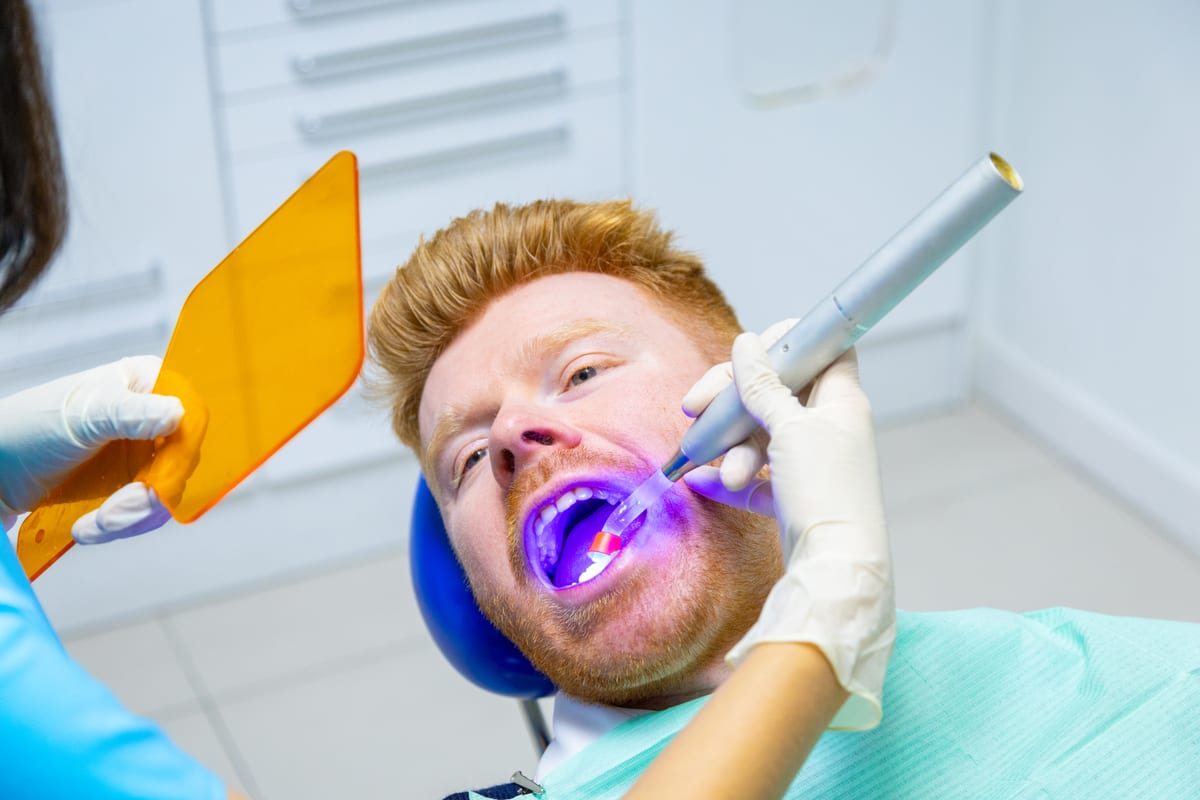
Dental bonding uses a tooth-colored composite resin applied directly to the tooth surface. Dr. Xiaozhu Sue Chu shapes and hardens the resin to blend naturally with your smile. The entire process is quick, often completed in a single visit at Pearl Dentistry of Butler.
On average, dental bonding lasts between 5 and 10 years. With exceptional care, some patients see results lasting up to 15 years. The wide range reflects how differently each person treats their teeth day to day.
Composite resin is not as durable as porcelain veneers or crowns. It is more prone to chipping and staining over time. That said, it remains a popular option because of its affordability and natural appearance.
Key Factors That Affect How Long Your Bonding Lasts in Butler
Several lifestyle and hygiene habits directly impact your bonding’s durability. Patients who are mindful of these factors consistently enjoy longer-lasting results. Here are the most important influences on dental bonding longevity:
- Biting habits: Chewing on pens, fingernails, or ice can chip the resin quickly.
- Diet choices: Hard foods like hard candy or crusty bread stress the bonding material.
- Teeth grinding (bruxism): Grinding wears down resin faster than normal chewing.
- Staining beverages: Coffee, red wine, and tea can discolor bonding over time.
- Oral hygiene routine: Poor brushing and flossing accelerates decay around bonded areas.
- Tobacco use: Smoking or chewing tobacco stains resin significantly.
Patients in Butler who address these habits early tend to extend their bonding well beyond the average lifespan. A simple change in routine can add years to your cosmetic results. Dr. Chu always reviews these factors with patients during their consultation.
How Good Oral Hygiene Extends the Life of Dental Bonding
Maintaining excellent oral hygiene is the single most impactful thing you can do. Brushing twice daily with a non-abrasive toothpaste protects the resin surface. Abrasive whitening toothpastes can scratch bonding and cause it to dull faster.
Flossing daily removes plaque and bacteria from the margins around bonded teeth. Buildup at these edges can lead to decay that undermines the bond. Once decay begins beneath the resin, the bonding fails prematurely.
Regular professional Dental Exams And Teeth Cleaning Butler appointments are essential for monitoring your bonding. Dr. Chu and the team at Pearl Dentistry of Butler check bonded teeth at every visit. Early detection of wear or damage allows for simple repairs before bigger problems develop.
Patients who visit every six months consistently enjoy longer-lasting cosmetic results. Routine cleanings also remove surface staining that can dull the resin. Think of these appointments as tune-ups that protect your investment.
Signs Your Dental Bonding Needs Repair or Replacement
Even with excellent care, dental bonding eventually shows signs of wear. Knowing when to seek attention prevents small issues from becoming costly problems. Watch for these common warning signs:
- Chipping or cracking: Visible damage to the resin surface requires prompt attention.
- Rough or sharp edges: Changes in texture often signal wear or fracture.
- Discoloration: Significant staining that does not respond to cleaning may indicate the bonding needs replacement.
- Sensitivity: New sensitivity around a bonded tooth can signal a gap or underlying issue.
- Visible gaps: Separation between the resin and natural tooth creates a risk for decay.
If you notice any of these signs, contact Pearl Dentistry of Butler promptly. Ignoring chips or gaps allows bacteria to enter and cause decay. Timely repairs are simpler and less costly than complete replacements.
In some cases, damage to bonding may happen suddenly, such as during a sports activity or accident. If that occurs, Emergency Dentistry Butler services are available to address urgent dental needs quickly. Dr. Chu prioritizes patients experiencing sudden dental damage.
Comparing Dental Bonding to Other Cosmetic Options in Butler
Understanding how bonding compares to other treatments helps patients make informed decisions. Each cosmetic option offers different durability and benefits. Here is a quick comparison to guide your thinking:
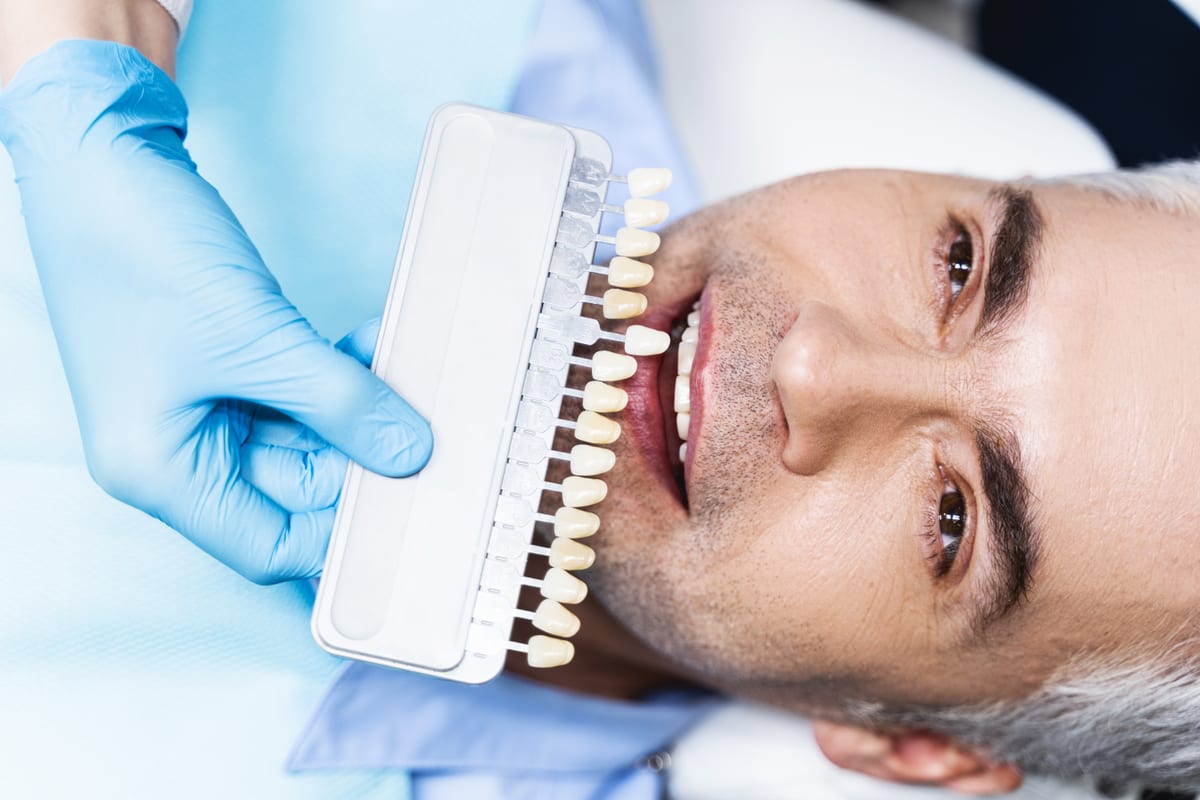
Porcelain veneers typically last 10 to 20 years with proper care. They resist staining better than composite resin and are stronger under pressure. However, they require more tooth preparation and a higher upfront investment.
Dental crowns can last 15 to 30 years when well maintained. They cover the entire tooth and provide superior protection. Crowns are better suited for teeth with significant structural damage rather than cosmetic concerns alone.
Dental bonding remains the fastest and most affordable option for minor corrections. It requires no tooth removal in most cases and can be completed in one appointment. For patients in Butler seeking a budget-friendly cosmetic fix, bonding offers excellent value when properly maintained.
Tips From Dr. Chu to Maximize Your Bonding’s Lifespan
Dr. Xiaozhu Sue Chu shares practical advice with every bonding patient at Pearl Dentistry of Butler. These simple habits can make the difference between five years and fifteen years of results.
Avoid biting directly into very hard foods with your bonded teeth. Use your back teeth for tough chewing tasks whenever possible. Cut hard foods like apples or bagels into smaller pieces before eating them.
If you grind your teeth at night, ask about a custom nightguard. A nightguard protects both your natural teeth and your bonding from excessive wear. Many patients are unaware they grind their teeth until Dr. Chu identifies wear patterns during an exam.
Rinse your mouth with water after consuming staining beverages. This simple habit reduces discoloration and keeps your bonding looking brighter longer. Small daily choices add up to significant long-term results.
Conclusion
Whether your dental bonding lasts 5 years or 15 years in Butler depends largely on the choices you make every day. Good oral hygiene, regular professional cleanings, and mindful habits all extend your results significantly. Dr. Xiaozhu Sue Chu and the team at Pearl Dentistry of Butler are here to help you get the most from your cosmetic investment. Book Now to schedule your appointment with our team.
Frequently Asked Questions
How long does dental bonding typically last in Butler, PA?
Dental bonding generally lasts between 5 and 10 years for most patients. With excellent care and regular dental visits, some patients enjoy results lasting up to 15 years. Your individual habits and diet play the biggest role in determining longevity.
Can dental bonding be repaired if it chips or cracks?
Yes, dental bonding is one of the easiest cosmetic treatments to repair. Dr. Chu can add new composite resin to damaged areas quickly and affordably. Addressing chips early prevents bacteria from entering and causing deeper problems.
Does dental bonding stain over time?
Composite resin is more porous than natural enamel, so it can absorb staining from coffee, tea, and red wine. Avoiding these beverages or rinsing with water afterward helps minimize discoloration. Professional cleanings also help remove surface stains from bonded teeth.
Is dental bonding a good long-term cosmetic solution?
Dental bonding is an excellent option for patients seeking affordable, quick cosmetic improvements. While it does not last as long as porcelain veneers, it provides beautiful results at a fraction of the cost. Patients who maintain good oral hygiene and visit Pearl Dentistry of Butler regularly tend to see the best long-term outcomes.
Do I need to do anything special to care for bonded teeth?
Bonded teeth do not require any extraordinary care beyond a strong daily routine. Brush twice daily with a non-abrasive toothpaste, floss daily, and visit Dr. Chu every six months for an exam and cleaning. Avoiding hard foods and nail-biting habits will also significantly extend the life of your bonding.