

Why Your Old Dental Work Won’t Whiten and What to Do About It
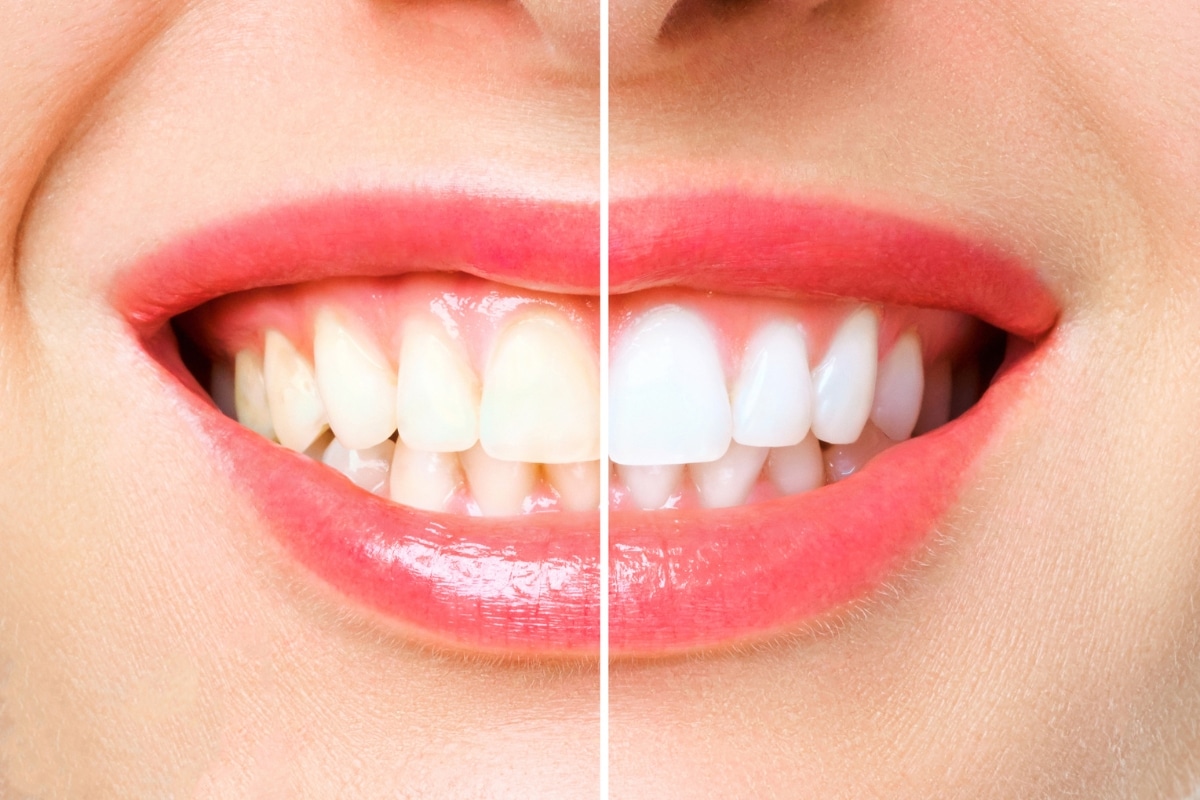
You pick up a whitening kit, follow every instruction, and your teeth do get brighter, but something’s off. That crown is near the front. The composite bonding from years back. Maybe a porcelain veneer. They’re staying the same shade while everything around them shifts. Now, instead of a uniformly brighter smile, you’ve got visible mismatches that weren’t there before.
This is one of the most common frustrations patients bring to a cosmetic dentist in Butler. The good news is that it’s fixable, but the fix doesn’t come from a whitening kit. It comes from knowing what’s going on with your restorations and choosing the right approach for each one. Here’s the complete picture.
The Science Behind Why Dental Restorations Resist Whitening
Whitening products like over-the-counter strips, trays, or professional-grade gels work through a process called oxidation. The active ingredient, typically hydrogen peroxide or carbamide peroxide, penetrates the porous outer layer of natural tooth enamel and breaks apart the carbon-based molecules responsible for staining. The result is a lighter, brighter tooth.
Dental restorations are made from a variety of materials, such as porcelain, ceramic, composite resin, and metal alloys, and they don’t have the porous enamel structures found in natural teeth. The peroxide in whitening products has nothing to oxidize in these materials, so it simply doesn’t penetrate. The restoration’s shade stays as it was when it was placed.
The cosmetic dentist at Pearl Dentistry of Butler regularly handles such cases. It’s not that the whitening product failed. It did what it’s designed to do. The problem is that whitening was never the right tool for this particular job.
Which Dental Restorations Are Affected and Why Each One Is Different
Not all dental work functions the same way when it comes to color and aging. Understanding what’s in your mouth is the first step toward fixing the mismatch.
Porcelain Crowns and Bridges
Porcelain is color-stable, meaning it won’t stain or whiten with chemical agents. When a crown was placed, it was matched to your teeth at that point in time. If your natural teeth have darkened since then (or brightened with whitening), the crown now stands out. The only way to address the mismatch is to replace the crown with one matched to your target shade.
Composite Resin Bonding and Tooth-Colored Fillings
Composite resin is porous, but not in the same way as enamel. Over time, composite absorbs pigment from food, coffee, tea, and tobacco, causing it to stain. But peroxide-based whitening agents don’t reverse this staining the way they would on natural enamel. Composite bonding that has yellowed or darkened over the years needs to be replaced, not whitened.
Porcelain Veneers
Like crowns, porcelain veneers are fabricated to a fixed shade. Whitening treatments do not affect them. If your natural teeth have shifted shade since your veneers were placed, or if the veneers have aged and no longer match the surrounding teeth, replacement is the only real option.
Amalgam (Silver) Fillings
Amalgam fillings don’t whiten, and they carry an additional issue: over time, the metal can leach into the surrounding tooth structure, creating a gray or blue-gray discoloration in the tooth itself. This internal staining can’t be addressed with whitening at all, and in many cases, it’s the tooth structure, not just the filling, that has changed color.
The Right Way to Approach a Mismatched Smile
The most effective approach, and the one the Pearl Dentistry of Butler team uses, is to first set the goal, then work backward. Here’s how that unfolds:
- Decide on your target shade first. If your natural teeth will be whitened, that whitening should happen before any restorations are replaced or added. You want to match the new restorations to your whitened teeth, not the other way around.
- Allow whitening to fully stabilize. Tooth shade continues shifting for a couple of weeks after whitening. Waiting for the color to settle before taking impressions or selecting restoration shades leads to a more accurate match.
- Replace the mismatched restorations. Once your natural teeth are at their target shade, outdated crowns, stained bonding, or old veneers can be replaced with new restorations that match precisely.
- Maintain the result. Touch-up whitening for natural teeth, combined with proper oral hygiene and regular checkups, keeps the whole smile looking cohesive over time.
This sequencing matters. Patients who whiten after replacing their restorations end up with the same mismatch problem in reverse — bright natural teeth against restorations that were matched to a darker shade.
What Pearl Dentistry of Butler Can Do for You
Fixing a mismatched smile isn’t a single procedure — it’s a coordinated plan. Depending on what restorations you have and how far off the shades are, the options range from professional whitening paired with composite replacement to a more comprehensive veneer or crown refresh.
Composite bonding replacement is one of the more common and relatively straightforward solutions. Old, discolored bonding is removed and replaced with fresh composite that matches your current or target tooth shade. It’s typically done in a single appointment and makes an immediate difference.
For patients with crowns or veneers that no longer match, the process involves a more detailed treatment plan, but the desired outcome (a smile where every tooth looks like it belongs) is achievable. Modern porcelain and ceramic materials have excellent color stability and are fabricated with shade-matching technology that produces highly accurate results.
Stop Guessing – Get a Real Assessment
If you’ve been frustrated by whitening products that don’t touch your old dental work, you’re not doing anything wrong – you’re just using the wrong tool. The solution exists; it just requires a closer look at what you’re working with.
Book a cosmetic consultation at Pearl Dentistry of Butler. The team will assess your existing restorations, walk you through realistic options, and build a plan that makes your whole smile look cohesive. Call the office or schedule online today — a cohesive, natural-looking smile is closer than you think.
People Also Ask
You can whiten your natural teeth even if you have crowns, but the crowns themselves won’t change shade. This is why sequencing matters: if you’re planning to replace old crowns anyway, whitening your natural teeth first — then matching new crowns to that shade — gives you the most cohesive result. Whitening after new crowns are placed can create the same mismatch in reverse.
Composite bonding typically lasts between five and ten years, though this varies based on the location of the bonding, your bite, and your oral habits. Front teeth bonding used for cosmetic purposes (closing gaps, reshaping edges) tends to show wear and staining earlier than bonding used to restore a back tooth. Regular polishing at dental checkups helps extend the life of bonding by removing surface stains before they become ingrained.
Internal tooth discoloration — called intrinsic staining — is caused by factors inside the tooth itself, such as trauma, old amalgam leaching, or changes to the pulp. Standard whitening products applied to the outside of the tooth don’t reach these internal stains. For teeth darkened from the inside, options include internal bleaching (if the tooth has had a root canal), veneers, or crowns, depending on the extent of discoloration and the condition of the tooth structure.
Shade matching is done using a standardized shade guide – the most common is the VITA Classical guide, which includes 16 shades across four color families. Dentists compare the guide tabs against your teeth under consistent lighting to select the closest match. Many practices now also use digital spectrophotometers, which objectively measure tooth color and reduce the variability inherent in visual matching alone. Photos taken under standardized conditions are also sent to the dental lab to guide fabrication.
High-quality porcelain veneers are highly resistant to staining because their smooth, non-porous surface prevents staining. They won’t absorb coffee, tea, or wine the way natural enamel does. However, the margins (the edges where the veneer meets the tooth) can accumulate staining over time if oral hygiene is inconsistent. The composite cement used to bond veneers is also somewhat susceptible to discoloration. Maintaining good hygiene and scheduling regular professional cleanings help keep veneers looking their best for years.