
How to Recognize a Failing Root Canal: Signs You Shouldn’t Ignore
A root canal is usually the fix dentists reach for when a tooth is badly decayed or infected. This treatment eliminates the infection inside your tooth and blocks bacteria from spreading, all while preserving your natural tooth. But no dental procedure is perfect, and sometimes things don’t go as planned. So, how do you know if your root canal is failing? Let’s break down the warning signs and what to do next.
What’s a Root Canal, and Why Do They Sometimes Fail?
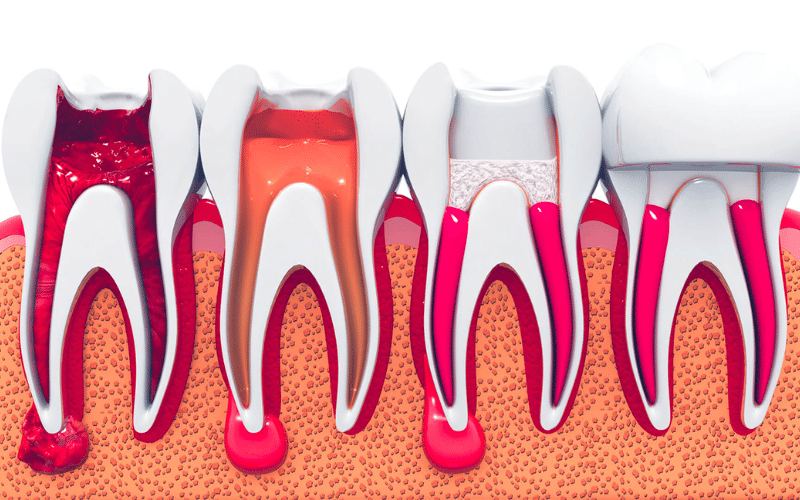
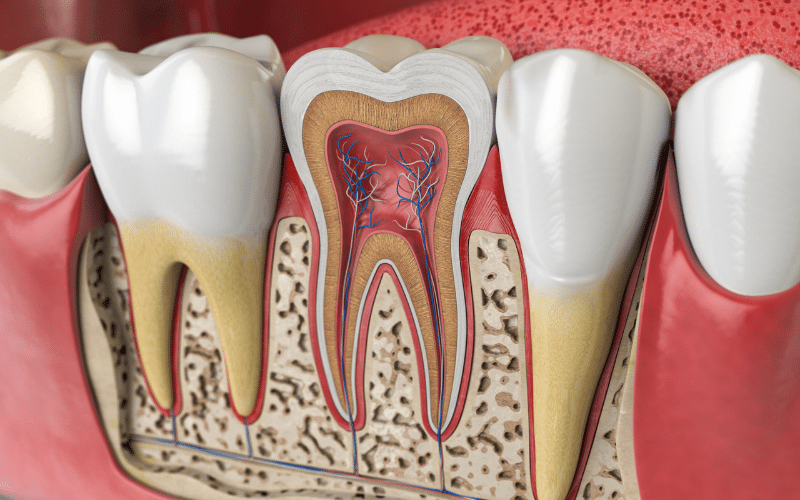
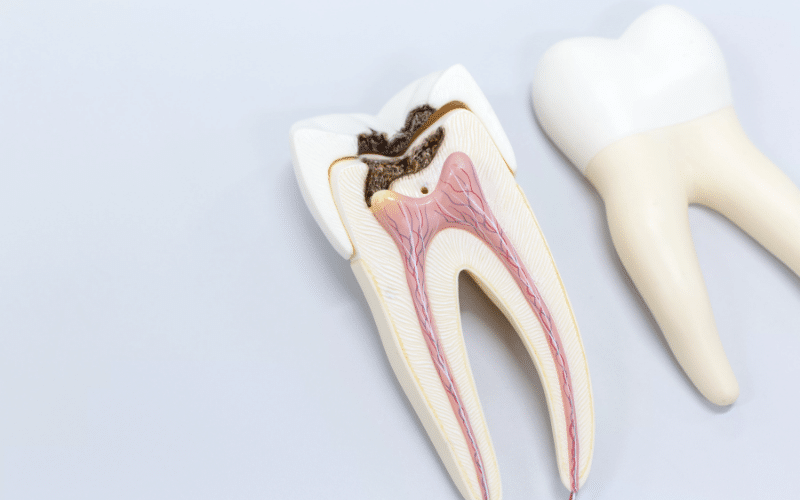
A root canal comes into play when the soft tissue inside your tooth, called the pulp, gets infected or damaged. The dentist removes this infected pulp and fills the space to stop new infections. However, problems can still arise, even after treatment. Here’s what can cause a root canal to fail:
- If the seal isn’t tight enough, bacteria can enter and cause a new infection.
- Sometimes, a new infection appears after the procedure.
- A crack in the tooth can let bacteria slip past the repair job, creating more trouble.
- And every now and then, a dentist might miss a tiny canal that harbors bacteria, which keeps the infection hanging around.
How Do You Know If Your Root Canal Is Failing?
A little soreness after a root canal is normal, but ongoing pain isn’t. These signs point to possible trouble:
1. Persistent or Severe Pain
Your root canal is supposed to eliminate pain—not cause more. If your tooth still hurts months later or the pain worsens, pay attention. Ongoing discomfort when you chew or apply pressure to the tooth often signals that something’s wrong.
2. Swelling or Tenderness
Swelling near your treated tooth is a major warning sign. This could mean the infection has spread to the tissues around the tooth. When swelling shows up with tenderness or an abscess, it’s time to call your dentist right away.
3. Tooth Discoloration
If your treated tooth starts turning dark or gray, it could mean the pulp inside is still breaking down, or there’s another infection lurking. Discoloration is one of those signs you shouldn’t ignore.
4. Abscess or Reinfection
Notice a pimple-like bump near the tooth, especially if it’s leaking pus or has a foul odor? That’s probably an abscess, which means the infection has returned. Don’t wait—get to your dentist before the infection spreads.
5. Fever
A fever after a root canal is serious. It often means the infection hasn’t cleared up and may be spreading. If you also experience pain or swelling, don’t wait—seek dental care promptly.
When Should You See Your Dentist?
If you experience any of these symptoms, please contact your dentist promptly. The longer you put it off, the higher the risk of losing the tooth or running into bigger problems. Your dentist will likely take X-rays and conduct some tests to determine the cause, then outline your treatment options.
How Do Dentists Fix a Failing Root Canal?
The fix depends on how bad things are, but here are the usual moves:
- Retreatment: Your dentist reopens the tooth, cleans out the old filling and any remaining infection, and refills it.
- Apicoectomy: Sometimes, the tip of the tooth’s root and the infected tissue have to go. That’s what this procedure covers.
- Tooth Extraction: If the tooth can’t be saved, the dentist pulls it and talks you through replacement options, like an implant or a bridge.
A root canal can save a tooth, but only if you act fast when something feels off. If you’ve got pain, swelling, or any other symptoms from above, don’t wait it out. Book a visit with your dentist. Catching problems quickly can save your tooth and save you a lot of trouble in the long run.
If you’re concerned about a past root canal or experiencing discomfort, please contact us at Dentist Butler. We’ll take a look, figure out what’s going on, and help you find the best way forward for your dental health.
FAQs
1. How long after a root canal should I feel pain?
It’s normal to feel some discomfort for a few days after a root canal, but it should not persist for weeks. If pain continues or worsens, it could signal a failed root canal.
2. Can a root canal fail years later?
Yes, a root canal can fail even years after treatment. This often happens due to reinfection or issues with the tooth’s seal.
3. What happens if a root canal infection is left untreated?
If left untreated, a root canal infection can spread to the surrounding bone and tissues, potentially causing tooth loss, abscesses, and serious health complications.
4. How can I prevent a failing root canal?
Maintaining good oral hygiene and regular dental check-ups can help prevent infections. Avoid putting excessive pressure on the treated tooth and visit your dentist if you experience any issues.