
Does a Root Canal Really Hurt? What Modern Anesthesia Actually Does
Many patients in Butler, PA dread the words ‘root canal.’ The procedure has a reputation for being painful — but does a root canal really hurt? What modern anesthesia actually does in Butler may surprise you. The truth is, most patients say the procedure feels far less uncomfortable than they expected. Understanding what happens during and after treatment can ease your anxiety before you ever sit in the chair.
Why Root Canals Have a Bad Reputation
The fear around root canals comes mostly from outdated experiences. Dental techniques and anesthetics have changed dramatically over the past few decades. Older generations went through procedures with far less effective numbing agents. That history stuck around as cultural fear — even though modern dentistry is completely different.
The pain people associate with root canals usually comes from the infection itself, not the treatment. A badly infected tooth causes throbbing, pressure, and sensitivity that can be debilitating. By the time you need a root canal, you are likely already in significant discomfort. The procedure is actually designed to relieve that pain, not create it.
At Pearl Dentistry of Butler, Dr. Xiaozhu Sue Chu takes time to explain each step before beginning. Patients who understand what to expect feel far less anxious. Knowledge is one of the most powerful tools in comfortable dental care.
What Modern Anesthesia Actually Does During a Root Canal in Butler
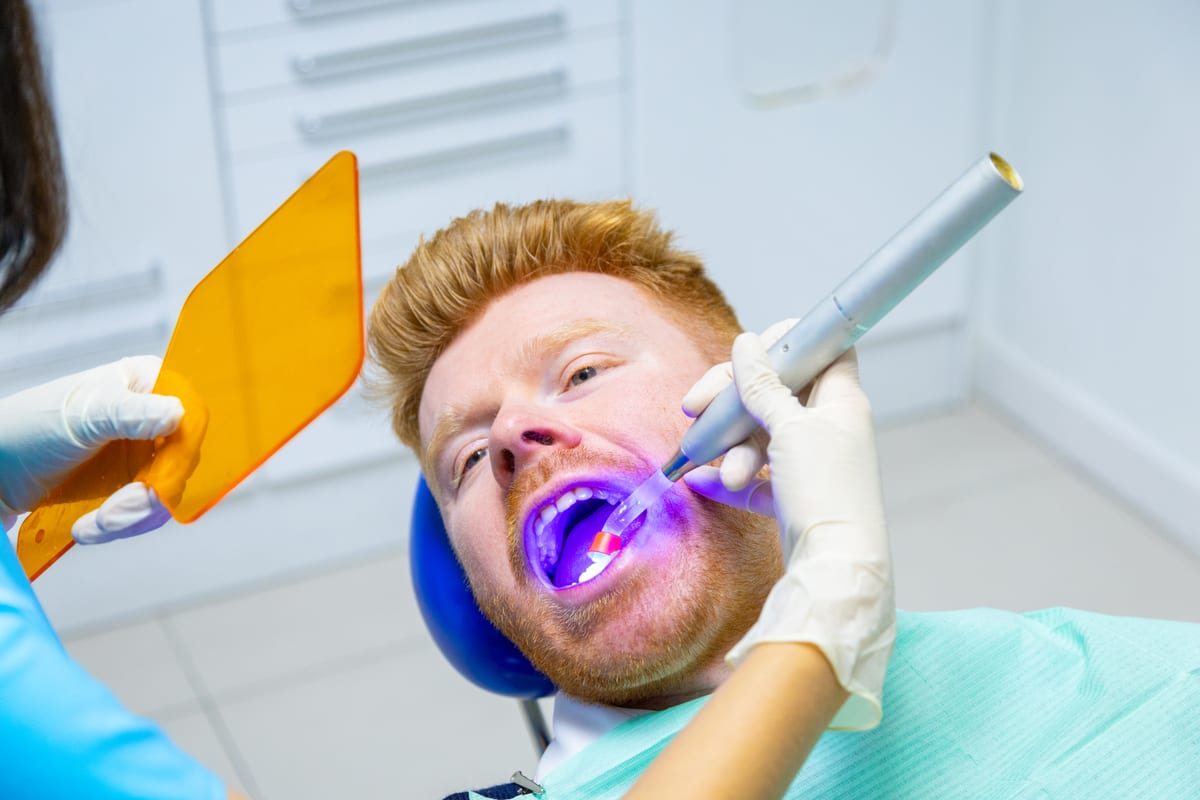
Modern local anesthetics work by blocking nerve signals in the treatment area. Dr. Chu uses targeted injections to numb the tooth and surrounding tissue completely. The anesthetic takes effect within a few minutes. Once it works, you should feel no sharp pain at all during the procedure.
You may still feel pressure or vibration — that is normal. Those sensations travel through bone and tissue differently than pain signals do. Most patients describe the experience as similar to having a filling. It feels like something is happening, but it does not hurt.
If you ever feel discomfort during treatment, you can signal Dr. Chu immediately. She will add more anesthetic before continuing. Patient comfort is always the top priority at Pearl Dentistry of Butler.
- Local anesthetic numbs the nerve completely before any work begins
- Additional numbing is always available if you feel anything sharp
- Modern anesthetics work faster and last longer than older formulas
- The injection itself is often the only pinch patients notice
- Sedation options are available for patients with dental anxiety
What You Will Feel During vs. After the Procedure
During the root canal, the goal is zero pain. Most patients are genuinely surprised by how manageable it feels. The appointment itself usually takes between 60 and 90 minutes. You can listen to music, close your eyes, or simply breathe through it.
After the anesthetic wears off, you may notice some soreness. This typically starts a few hours after your appointment ends. The treated area can feel tender when you bite down. Over-the-counter pain relievers like ibuprofen handle this effectively for most people.
Swelling and mild discomfort usually peak within the first 24 to 48 hours. After that, most patients feel noticeably better. The infection-related pain that brought you in will begin to fade as your body heals. Many patients return to normal activities the very next day.
Recovery After a Root Canal: What to Expect at Home
Recovery from a root canal is straightforward for most patients in Butler. The treated tooth will be tender for a few days. Eating soft foods and avoiding chewing on that side helps reduce irritation. Most discomfort resolves within a week.
Here is a simple guide to the first few days of recovery:
- Day 1: Stick to soft foods like yogurt, soup, and mashed potatoes. Avoid hot beverages until the numbness wears off completely.
- Days 2–3: Take ibuprofen or acetaminophen as directed if you feel soreness. Avoid biting down hard on the treated tooth.
- Days 4–7: Discomfort should decrease steadily. Resume normal eating gradually.
- Week 2 onward: Return to Pearl Dentistry of Butler for your crown placement if scheduled.
Call the office right away if you experience severe pain, swelling, or a fever. These symptoms are uncommon but worth checking. Dr. Chu and the team are always available to answer questions between appointments.
How Root Canals Connect to Your Overall Dental Health in Butler
A root canal saves a tooth that would otherwise need extraction. Keeping your natural tooth preserves your bite, jaw structure, and surrounding teeth. Tooth loss creates a chain reaction of problems that can be costly and complex to treat later. Saving the tooth is almost always the better long-term choice.
Regular Dental Exams And Teeth Cleaning Butler appointments help catch infections early. Early detection means simpler treatment and less discomfort. Routine care is the best way to avoid needing a root canal in the first place. Prevention is always easier than treatment.
If you are experiencing tooth pain that will not go away, do not wait. Emergency Dentistry Butler services at Pearl Dentistry of Butler are available for urgent situations. Dental infections can worsen quickly without proper care. Acting fast protects both your tooth and your overall health.
Why Patients in Butler Trust Dr. Chu for Root Canal Treatment
Dr. Xiaozhu Sue Chu brings both skill and empathy to every procedure at Pearl Dentistry of Butler. She understands that dental anxiety is real and valid. Her approach prioritizes clear communication and patient comfort at every step. Many patients who came in fearful leave feeling relieved they did not wait any longer.
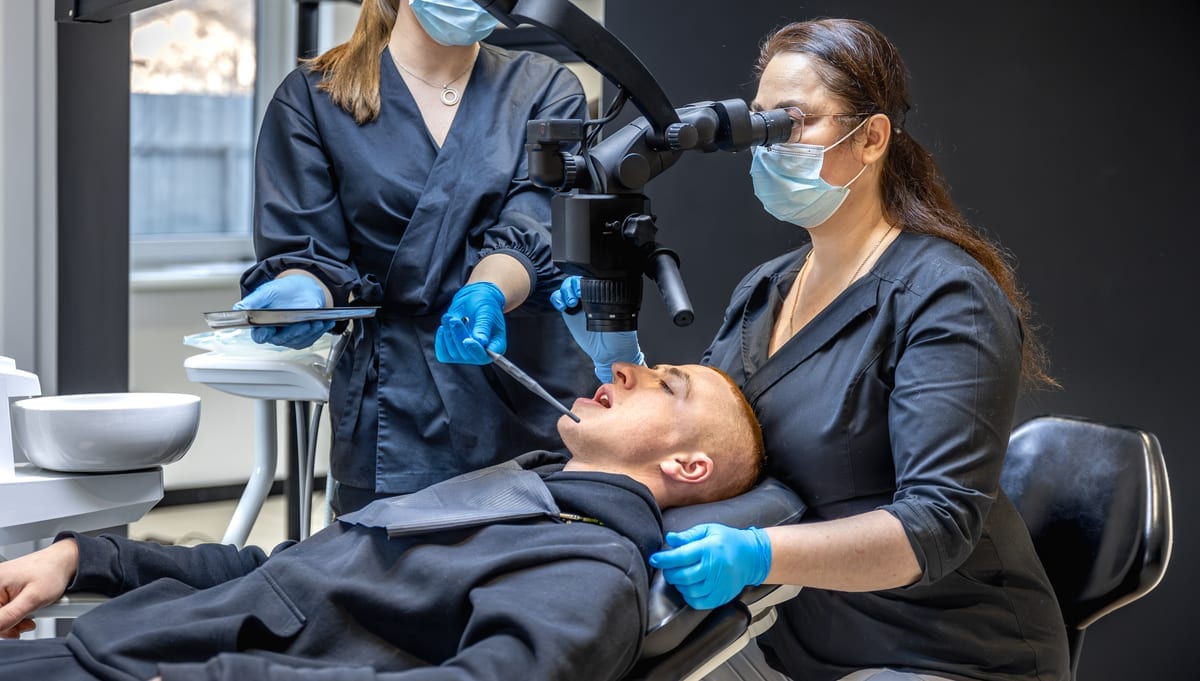
The team at Pearl Dentistry uses up-to-date equipment and techniques to make treatment as smooth as possible. From the initial numbing to the final restoration, every detail is designed with your comfort in mind. Butler residents have access to compassionate, high-quality care right in their community. You do not have to travel far to get expert root canal treatment.
- Gentle injection technique to minimize the initial pinch
- Clear explanations before and during every step
- Patient signals respected immediately — no pushing through discomfort
- Comfortable, modern treatment rooms designed to reduce anxiety
- Follow-up support available if questions arise after your appointment
If you have been avoiding the dentist because you are afraid of pain, this is your sign to come in. Modern root canal treatment is a far cry from what people imagine. Book Now to schedule your appointment with our team.
Frequently Asked Questions
Does a root canal hurt while it is happening?
No — with modern local anesthesia, you should feel no sharp pain during the procedure. Dr. Chu numbs the area completely before beginning. You may feel pressure or vibration, but not pain. If you feel anything sharp, simply signal and more anesthetic is applied right away.
How long does root canal discomfort last after the appointment?
Most patients experience mild soreness for two to three days after treatment. Over-the-counter pain relievers manage this effectively. Discomfort usually peaks in the first 48 hours and then fades. Most patients feel back to normal within a week.
Is a root canal worse than a tooth extraction?
Many patients find a root canal easier to recover from than an extraction. Extractions can involve more complex healing and may require additional procedures like dental implants later. Saving your natural tooth through a root canal is typically the preferred option when possible.
What makes someone need a root canal in the first place?
Root canals become necessary when the inner pulp of a tooth becomes infected or inflamed. This often results from deep decay, a cracked tooth, or repeated dental procedures on the same tooth. Symptoms include persistent pain, sensitivity to temperature, and swelling near the tooth.
How can I prevent needing a root canal in the future?
Routine checkups and cleanings are your best defense. Catching cavities and cracks early prevents bacteria from reaching the inner pulp. Brushing twice daily, flossing, and visiting your dentist regularly dramatically reduces your risk of needing root canal treatment.