

Cosmetic Dentistry in Butler, PA
Living in Meadowood, PA, and wondering which cosmetic dental treatment actually solves your specific problem? Whether you have chipped teeth, gaps, or stains, the right fix depends on your unique concern. Not every treatment works the same way for every issue. This guide helps you match your smile problem to the best solution available at Pearl Dentistry of Butler.
Understanding Your Smile Concern in Meadowood
Before choosing a cosmetic treatment, you need to identify exactly what bothers you. Chips, gaps, stains, and worn edges each respond differently to different procedures. Choosing the wrong treatment wastes time and money. Dr. Xiaozhu Sue Chu helps Meadowood patients pinpoint the right path forward.
Here are the most common cosmetic concerns patients bring to our office:
- Chipped or cracked tooth edges
- Visible gaps between front teeth
- Yellow, brown, or gray staining
- Worn or uneven tooth edges
- Minor crowding or overlapping teeth
Each of these concerns has a go-to solution. Some patients have more than one issue at the same time. In those cases, combining treatments often delivers the best result. A professional evaluation helps you decide which approach makes the most sense.
Chipped Teeth, Gaps, or Stains: Which Cosmetic Fix Actually Works for Chips and Cracks
A chipped tooth is one of the most common cosmetic complaints. Small chips rarely cause pain, but they affect how your smile looks. Dental bonding is often the first recommendation for minor chips. It is fast, affordable, and typically completed in a single visit.
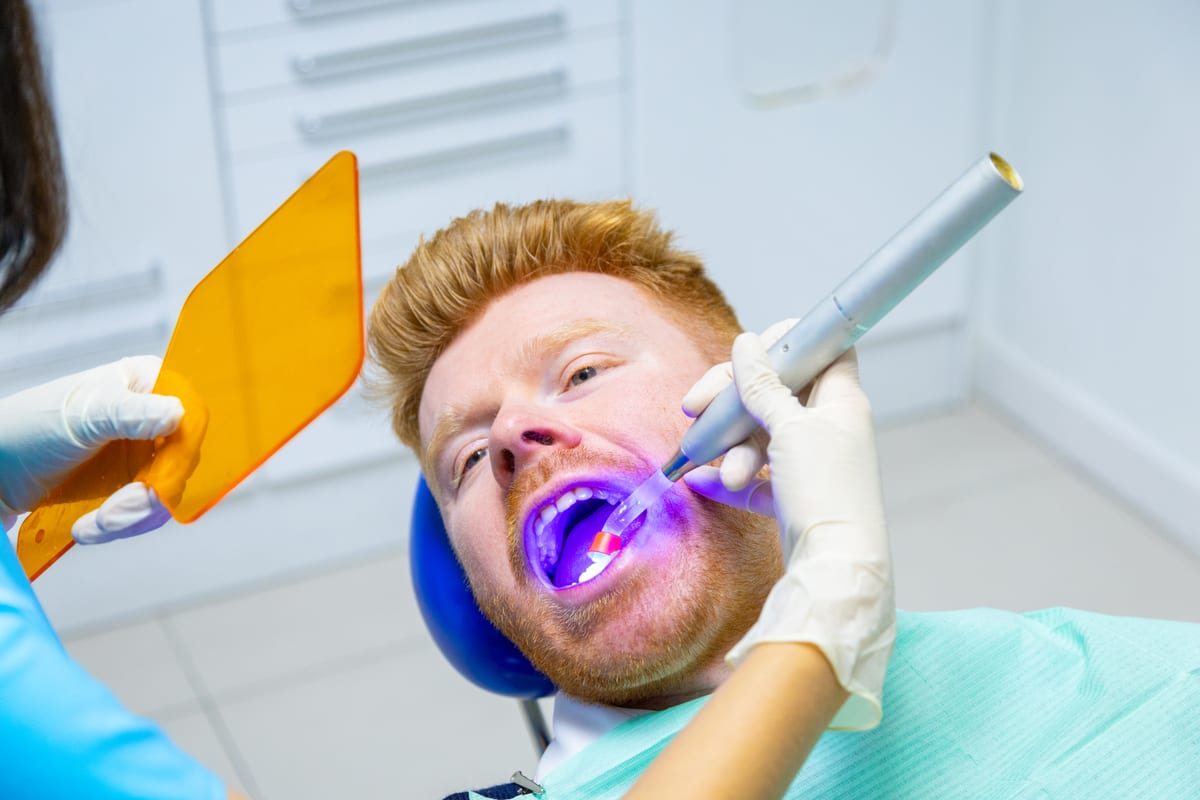
During bonding, Dr. Chu applies a tooth-colored resin directly to the damaged area. She shapes and polishes it to blend seamlessly with your natural tooth. The result looks natural and lasts several years with proper care. Bonding works especially well for chips on front teeth.
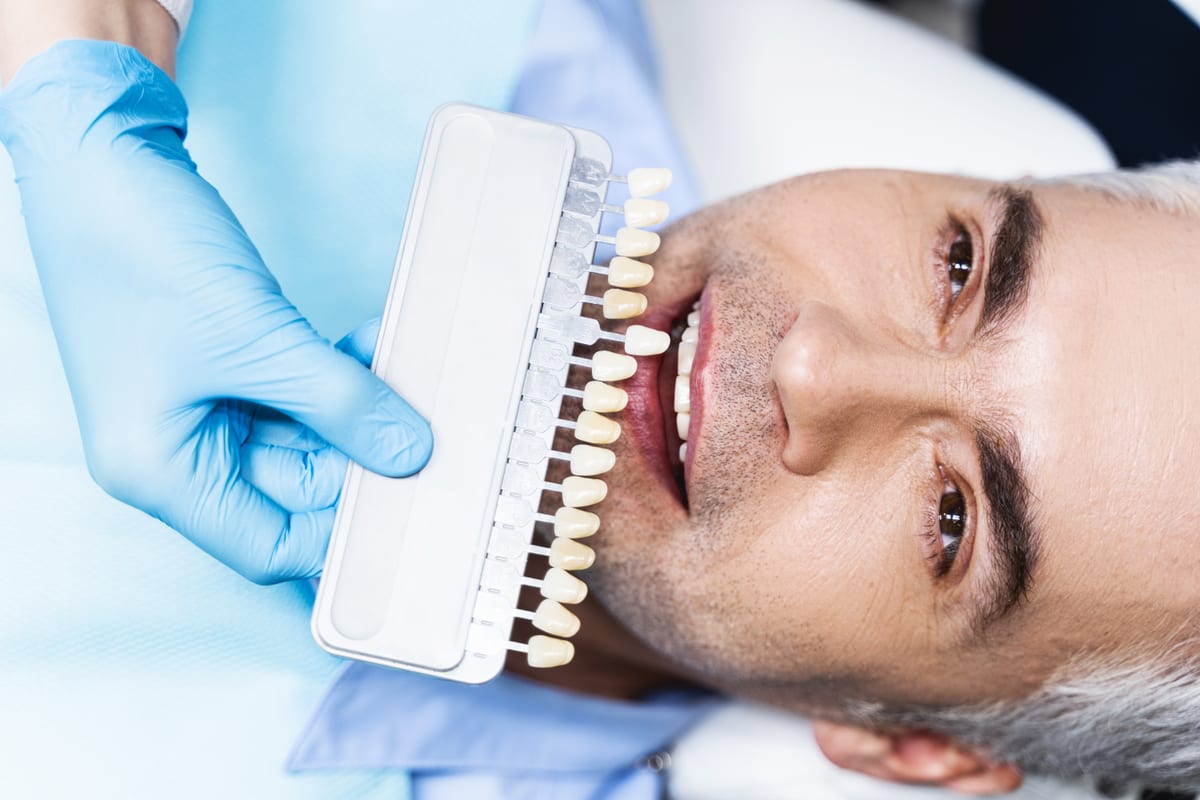
For larger chips or more extensive damage, Dental Veneers offer a stronger and longer-lasting solution. Veneers are thin porcelain shells bonded to the front surface of your teeth. They cover chips completely and resist future staining. Many Meadowood patients choose veneers when bonding alone is not enough.
Benefits of dental bonding for chips include:
- Completed in one appointment
- No removal of significant tooth structure
- Blends with surrounding teeth naturally
- Cost-effective for minor repairs
Closing Gaps: The Right Treatment for Spaces Between Teeth
Gaps between teeth — especially front teeth — can affect your confidence. The best treatment depends on the size of the gap. Small gaps respond well to dental bonding. Larger spaces may require veneers or orthodontic treatment instead.
Bonding builds up the sides of adjacent teeth to close small gaps. The dentist adds resin carefully to narrow the space without looking bulky. This approach preserves your natural teeth and avoids more invasive procedures. Results are immediate and visible right away.
Veneers work better for moderate-sized gaps. They cover the entire front surface of each tooth. This gives the dentist more control over the final appearance and spacing. Veneers also improve color and shape at the same time, making them a versatile option.
Very large gaps often require orthodontic treatment before cosmetic work. Braces or clear aligners move teeth into proper position first. Cosmetic treatments then refine the final appearance. Dr. Chu will assess your gap and recommend the most effective sequence of care.
Tackling Stains: Choosing Between Whitening, Bonding, and Veneers
Not all tooth stains respond to the same treatment. Surface stains from coffee, tea, or wine usually respond well to professional whitening. Deep or intrinsic stains — caused by medication, fluorosis, or trauma — require a different approach entirely.
Professional whitening is the simplest starting point for surface discoloration. It is non-invasive and delivers noticeable results quickly. However, whitening does not work on crowns, veneers, or bonding material. It also cannot lift very dark or gray-toned stains.
For stubborn stains that do not respond to whitening, veneers provide excellent coverage. The porcelain material blocks underlying discoloration completely. Veneers also maintain their color better than natural teeth over time. Patients with fluorosis or tetracycline staining often find veneers the most reliable solution.
Bonding can also mask individual stained teeth in some cases. It works best when only one or two teeth are affected. For whole-smile staining, whitening or veneers give more consistent results. Your dentist will evaluate the type and depth of staining before recommending a plan.
Maintaining a bright smile after treatment starts with good hygiene habits. Regular Dental Exams And Teeth Cleaning appointments remove surface buildup before it sets in. Routine cleanings also help your cosmetic work last longer. Meadowood patients who keep up with preventive care see the best long-term outcomes.
Worn Edges and Uneven Teeth: When Contouring or Veneers Are the Answer
Worn tooth edges and uneven lengths make your smile look older or irregular. These issues often develop gradually from grinding or natural wear. Many patients do not notice the change until they see photos of themselves. Fortunately, several effective options exist to correct this problem.
Tooth contouring — also called enameloplasty — is a quick in-office procedure. The dentist gently reshapes and smooths uneven or rough edges. It removes a tiny amount of enamel to create a more balanced look. This works best for minor irregularities along tooth edges.
When wear is more significant, bonding adds lost tooth structure back. The dentist builds up shortened teeth to restore proper length. This approach is especially useful for patients who grind their teeth. However, addressing the grinding habit is equally important to protect the results.
Veneers offer the most comprehensive solution for widespread wear. They restore length, shape, and color in a single treatment. For patients with multiple worn teeth, veneers create a complete and uniform result. Dr. Chu often combines veneers with a night guard to protect against future grinding damage.
How to Choose the Right Treatment for Your Smile
Choosing between bonding, whitening, veneers, and contouring can feel overwhelming. The best approach starts with a professional consultation. Dr. Chu examines your teeth, discusses your goals, and recommends the most effective option. There is no single answer that works for everyone.
Here is a quick reference guide to match your concern to your treatment:
- Minor chip: Dental bonding
- Larger chip or crack: Dental veneers
- Small gap: Dental bonding
- Moderate gap: Dental veneers
- Surface stains: Professional whitening
- Deep or dark stains: Dental veneers
- Minor uneven edges: Tooth contouring
- Significant wear: Bonding or veneers
Keep in mind that some concerns overlap. A chipped tooth may also be stained or uneven. Combining treatments often addresses multiple issues at once. Your dentist will help you prioritize and sequence treatments for the best outcome.
Pearl Dentistry of Butler proudly serves Meadowood and surrounding communities in Butler County. Dr. Xiaozhu Sue Chu brings skill and genuine care to every cosmetic consultation. Our goal is to help you feel confident and informed before starting any procedure. Book Now to schedule your appointment with our team.
Frequently Asked Questions
How do I know if bonding or veneers is better for my chipped tooth?
Bonding works best for small, minor chips and is completed in one visit. Veneers are a better choice for larger chips, significant damage, or when you also want to improve color and shape. Dr. Chu will evaluate your tooth and recommend the most appropriate option during your consultation.
Can professional whitening fix all types of stains?
Professional whitening effectively removes surface stains from food, drinks, and smoking. However, it cannot treat intrinsic stains caused by medication, trauma, or fluorosis. Those deeper stains respond better to veneers or bonding, which physically cover the discoloration.
Is dental bonding permanent?
Dental bonding is not permanent but is long-lasting with proper care. It typically lasts between five and ten years before it may need touch-ups or replacement. Avoiding habits like nail-biting, chewing ice, or biting hard objects helps extend the life of bonding.
Do veneers work for closing gaps between teeth?
Yes, veneers can effectively close moderate gaps between teeth by covering and widening the front surface of adjacent teeth. For very large gaps, orthodontic treatment may be recommended first. A consultation with Dr. Chu will determine whether veneers alone can achieve the result you want.
How often should I schedule cleanings to maintain my cosmetic dental work?
Most patients benefit from professional cleanings every six months to protect their cosmetic work and overall oral health. Regular cleanings remove buildup that can dull bonding or stain natural teeth around veneers. Consistent preventive care helps your cosmetic results last as long as possible.