
Are Veneers Worth It? Breaking Down Cost Per Year Over a Lifetime
Veneers are one of the most talked-about cosmetic dental treatments. They look stunning, but the price tag can feel intimidating. If you’ve been asking yourself whether veneers are worth it, you’re not alone. Many Butler, PA patients want a clear answer before committing. Breaking down cost per year over a lifetime in Butler helps put this investment into real perspective. At Pearl Dentistry of Butler, Dr. Xiaozhu Sue Chu helps patients understand exactly what they’re paying for — and why.
What Drives the Cost of Veneers in Butler, PA?
Veneer pricing isn’t random. Several factors determine what you’ll pay per tooth. Understanding these factors helps you compare options more confidently.
The most important factor is material. Porcelain veneers cost more than composite resin veneers. Porcelain looks more natural and lasts significantly longer. Composite veneers cost less upfront but may need replacement sooner.
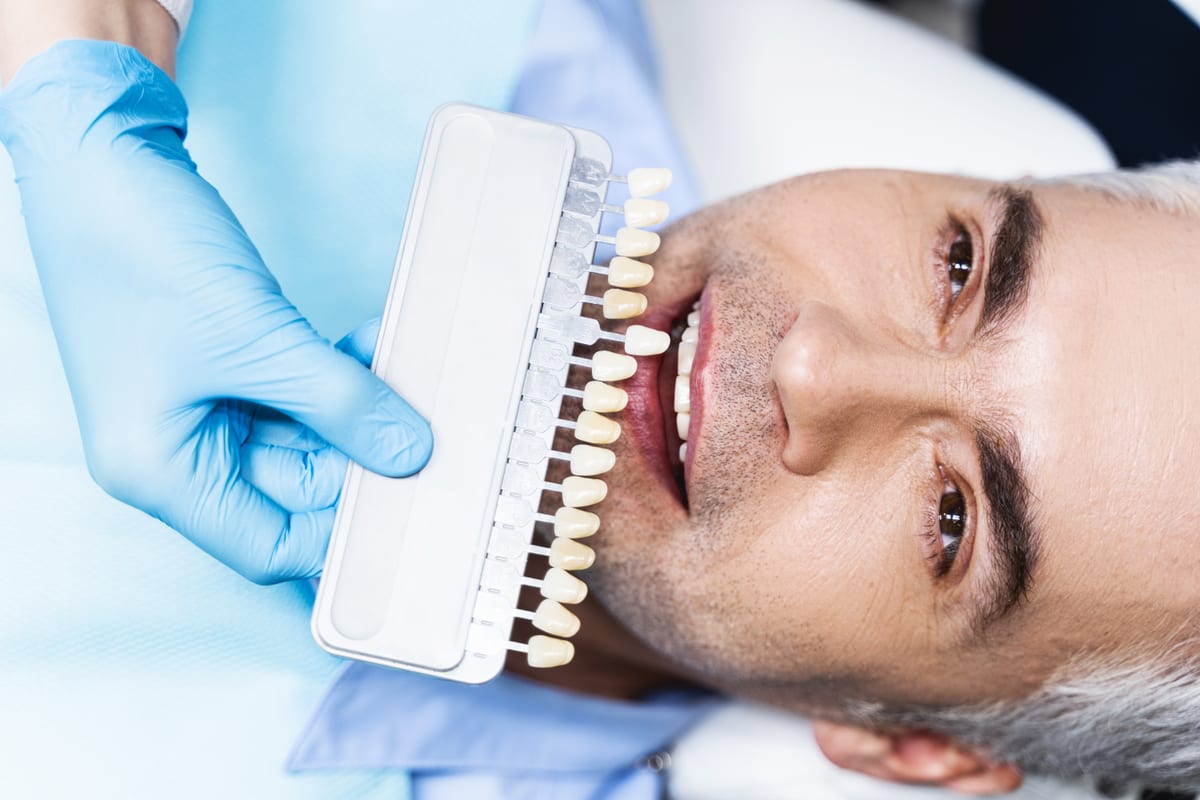
The second factor is the skill and technology your dentist brings to the process. Precise shade matching, custom fabrication, and proper bonding technique all affect the final result. Cutting corners on any of these steps leads to poor outcomes.
- Material type: Porcelain vs. composite resin
- Number of teeth: More veneers means higher total cost
- Preparatory work needed: Some teeth require reshaping or treatment first
- Lab quality: Higher-quality labs produce more lifelike results
- Dentist experience: Expertise in cosmetic work affects precision and longevity
In Butler, PA, porcelain veneers typically range from $900 to $2,500 per tooth. Composite veneers generally fall between $300 and $800 per tooth. These are broad estimates — your actual cost depends on your specific treatment plan.
Are Veneers Worth It? Breaking Down Cost Per Year Over a Lifetime
Here’s where the math gets interesting. When you ask are veneers worth it, breaking down cost per year over a lifetime in Butler changes the conversation entirely. A single porcelain veneer at $1,500 sounds like a lot. But spread that cost over 15 years, and you’re paying $100 per year.
Composite veneers cost less initially. However, they typically last only 5 to 7 years before needing repair or replacement. A $600 composite veneer replaced twice over 15 years costs $1,200 total — approaching the porcelain price anyway.
Porcelain veneers, when properly cared for, last 10 to 20 years. Some last even longer. That longevity is a major part of their value.
- Porcelain veneer at $1,500 over 15 years: ~$100 per year
- Composite veneer at $600 replaced every 6 years: ~$150 per year over 12 years
- Porcelain at $2,000 over 20 years: ~$100 per year
- Composite requiring repairs: Costs accumulate faster than expected
When you frame it this way, porcelain veneers often deliver better long-term value. The higher upfront cost can actually be the more economical choice over time.
How Long Do Veneers Really Last? Setting Realistic Expectations
Longevity is the other half of the value equation. Veneers don’t last forever, but they do last a long time with proper care. Dr. Chu emphasizes that your habits play a major role in how long your veneers perform.
Porcelain veneers typically last between 10 and 20 years. Some patients keep theirs for 25 years or more. Composite veneers generally last 5 to 8 years before showing wear or discoloration.
Several habits can shorten veneer lifespan significantly. Grinding your teeth at night is one of the biggest threats. Chewing hard foods like ice or hard candies can chip veneers. Using your teeth as tools — opening packages, for example — also causes damage.
Consistent oral hygiene extends veneer life considerably. Regular Dental Exams And Teeth Cleaning Butler appointments help monitor veneer integrity and keep supporting teeth healthy. Professional cleanings also remove staining around veneer margins that home brushing can miss.
Wearing a nightguard if you grind your teeth is a simple, affordable way to protect your investment. Dr. Chu often recommends this step during veneer consultations.
Veneers vs. Other Cosmetic Options: Is the Investment Justified?
Veneers aren’t the only cosmetic dental option. It’s worth comparing them honestly to alternatives. Each option has its place depending on your specific goals and dental health.
Teeth whitening is far less expensive. Professional whitening costs a fraction of a single veneer. However, whitening only addresses color — it can’t fix chips, cracks, gaps, or shape irregularities. Results also fade over time and require repeat treatments.
Dental bonding uses composite resin applied directly to the tooth. It’s affordable and requires no tooth reduction in most cases. Bonding works well for minor repairs but doesn’t match the durability or aesthetics of porcelain veneers.
Veneers address multiple cosmetic concerns simultaneously. Color, shape, length, and minor alignment issues can all be corrected in one treatment. That versatility adds to their value for patients with several cosmetic concerns.
If a dental emergency ever damages a veneer or the underlying tooth, prompt care matters. The team at Pearl Dentistry of Butler offers Emergency Dentistry Butler services to address urgent situations quickly and effectively.
Making Your Veneer Decision in Butler, PA
Deciding whether veneers are worth it is ultimately personal. Your smile goals, budget, and dental health all factor into the decision. The good news is that you don’t have to figure it out alone.
Dr. Xiaozhu Sue Chu takes a patient-centered approach to cosmetic consultations. She reviews your existing dental health, discusses your aesthetic goals, and helps you understand your realistic options. There’s no pressure — just clear, honest information.
A consultation also reveals whether your teeth are ready for veneers. Some patients need minor restorative work first. Addressing those issues beforehand ensures veneers bond properly and last as long as possible.
Butler patients considering veneers often leave consultations feeling much more confident. Seeing the per-year cost broken down makes the decision far less intimidating. Many patients realize the long-term value is stronger than they initially thought.
If you’re ready to explore whether veneers make sense for your smile and your budget, Pearl Dentistry of Butler is here to help. Book Now to schedule your appointment with our team.
Frequently Asked Questions
How long do porcelain veneers typically last?
Porcelain veneers generally last between 10 and 20 years. With excellent oral hygiene and regular dental visits, some patients keep their veneers for 25 years or more. Habits like teeth grinding or chewing hard foods can shorten their lifespan significantly.
Are veneers worth the cost compared to composite bonding?
For patients with multiple cosmetic concerns, porcelain veneers often offer better long-term value. Composite bonding costs less upfront but wears faster and may need more frequent repairs. Over a 15-year period, the per-year cost of porcelain can actually be lower than repeatedly repairing composite bonding.
Can veneers get damaged or chip?
Yes, veneers can chip or crack under excessive force. Biting hard objects, grinding teeth at night, or sustaining facial trauma can all damage veneers. Wearing a custom nightguard and avoiding hard foods greatly reduces this risk and protects your investment.
Do veneers require special maintenance?
Veneers don’t require a complicated routine. Brush twice daily with a non-abrasive toothpaste and floss regularly. Attend routine dental checkups so Dr. Chu can monitor the condition of your veneers and the health of surrounding teeth. Avoid whitening toothpastes, which can scratch veneer surfaces over time.
How do I know if I’m a good candidate for veneers in Butler?
Good candidates have healthy gums and sufficient tooth enamel. Patients with active gum disease or significant decay typically need treatment before veneers are placed. A consultation with Dr. Xiaozhu Sue Chu at Pearl Dentistry of Butler is the best way to determine whether veneers are right for your specific situation.