

What to Expect During Your Dental Implant Recovery Week by Week
Understanding what to expect during your dental implant recovery week by week in Butler can make the entire process much less stressful. Many patients feel anxious after implant surgery. But knowing what is normal — and what to watch for — helps you heal with confidence. At Pearl Dentistry of Butler, Dr. Xiaozhu Sue Chu guides every patient through each stage of recovery with clear, supportive instructions.
Dental implants are one of the most reliable tooth replacement options available. However, successful healing depends on how well you care for yourself after the procedure. This guide walks you through the recovery timeline, diet tips, pain management strategies, and long-term care advice.
Week by Week: Your Dental Implant Recovery Timeline in Butler
The first 24 to 48 hours after implant surgery are the most critical. Swelling, mild bleeding, and discomfort are all completely normal during this window. Your body is working hard to begin the healing process around the implant site. Rest as much as possible and avoid any strenuous physical activity.
By days three through five, swelling typically peaks and then begins to subside. You may notice bruising along the jaw or cheek area. This is expected and not a cause for concern. Most patients find that discomfort becomes much more manageable during this stage.
During week two, most of the initial swelling should be gone. Many patients return to light work and daily routines around this time. The implant site continues to heal beneath the gumline. You should avoid hard or crunchy foods for several more weeks.
Weeks three through four mark a significant transition in healing. The gum tissue closes more fully around the implant. Energy levels return to normal for most patients. You will still need to follow a modified diet and maintain careful oral hygiene during this period.
What to Eat During Dental Implant Recovery
Your diet plays a huge role in how quickly and smoothly you recover. Choosing the right foods protects the implant site and reduces irritation. Eating the wrong foods can disrupt healing or even dislodge the surgical area. Follow these guidelines closely, especially in the first two weeks.
Recommended foods during early recovery:
- Smoothies and protein shakes (no straws)
- Mashed potatoes and soft vegetables
- Scrambled eggs and soft-cooked fish
- Yogurt, applesauce, and pudding
- Lukewarm soups and broths
Avoid hot liquids, spicy foods, and anything crunchy or hard. Do not use a straw during the first week. Sucking pressure can disturb the clot and slow healing. Staying well-hydrated with plain water supports tissue repair significantly.
After the first two weeks, you can gradually reintroduce softer solid foods. Dr. Chu will advise you on when it is safe to return to your normal diet. Every patient heals at a slightly different pace. Always listen to your body and follow your dentist’s specific instructions.
Managing Pain and Swelling After Your Implant Procedure
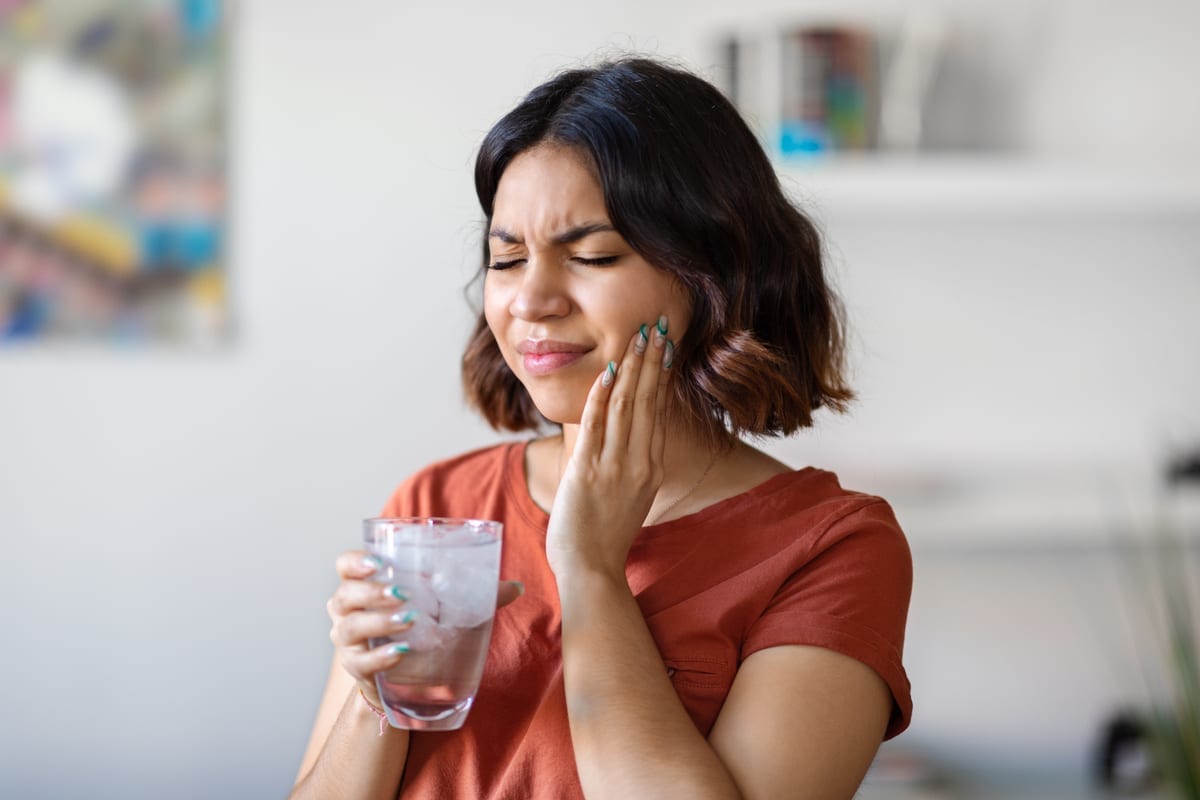
Pain after dental implant surgery is usually moderate and very manageable. Most patients handle it well with over-the-counter pain relievers. Dr. Chu may also prescribe a short course of medication depending on your individual situation. Always take medications exactly as directed.
Key pain and swelling management tips:
- Apply an ice pack for 15-minute intervals during the first 24 hours
- Keep your head elevated when resting or sleeping
- Avoid rinsing forcefully for the first 24 hours
- Use a gentle warm saltwater rinse starting on day two
- Avoid tobacco products entirely during healing
If pain suddenly worsens after day three or four, contact Pearl Dentistry of Butler right away. Increasing pain can sometimes signal an infection or complication. Early attention prevents small issues from becoming serious problems. Our team is here to support you throughout every stage of recovery.
Swelling is a natural part of your body’s healing response. It does not mean something went wrong. However, severe or rapidly increasing swelling paired with fever should be evaluated promptly. You can reach our Emergency Dentistry Butler team for urgent concerns outside of regular hours.
Long-Term Care to Protect Your Dental Implant Investment
Dental implants can last a lifetime with proper care. The key is treating them like natural teeth — and then some. Consistent oral hygiene habits protect the implant and the surrounding gum tissue. Neglecting care can lead to peri-implantitis, a form of gum disease that threatens implant stability.
Brush twice daily using a soft-bristled toothbrush. Floss carefully around the implant every single day. Water flossers are an excellent tool for cleaning around implants. Avoid abrasive toothpaste products that can scratch the implant crown surface.
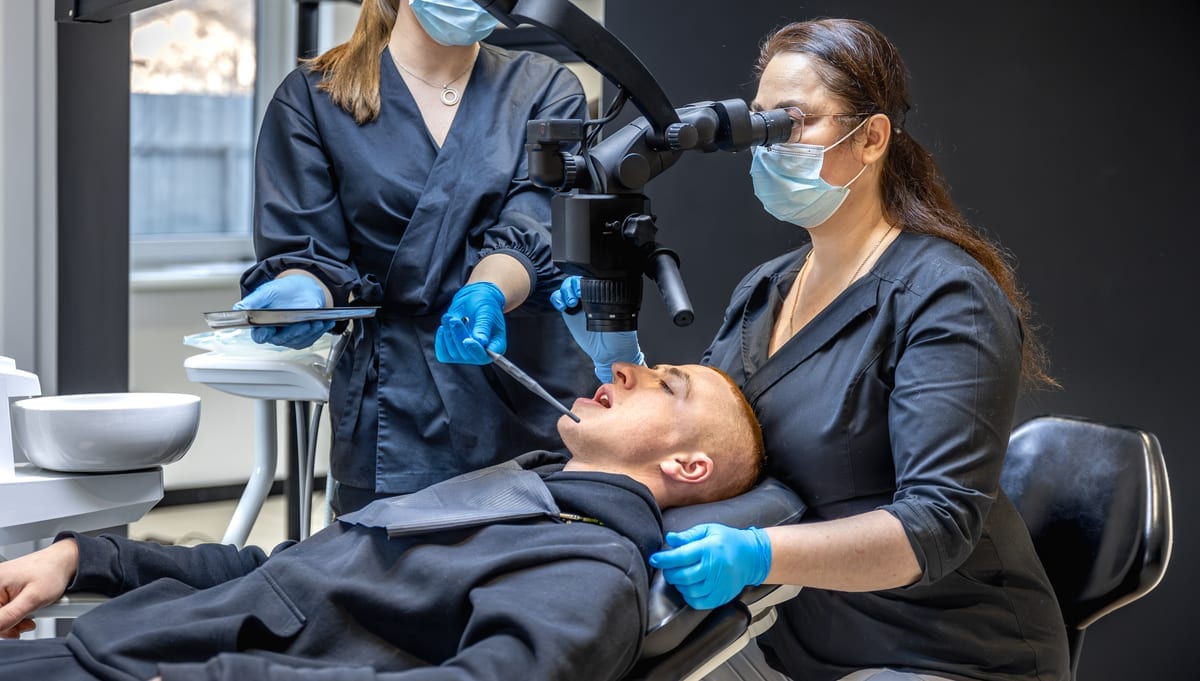
Routine dental checkups are essential for long-term implant success. During these visits, Dr. Chu checks the implant, surrounding bone, and gum health. Scheduling regular Dental Exams And Teeth Cleaning Butler appointments protects your investment for years to come. Professional cleanings remove buildup that regular brushing cannot fully address.
Avoid habits that place excessive force on your implant. Do not chew ice, bite your nails, or use your teeth to open packages. If you grind your teeth at night, talk to Dr. Chu about a custom nightguard. Protecting the implant from unnecessary stress dramatically extends its lifespan.
When to Call Your Dentist During Recovery
Most dental implant recoveries go smoothly without complications. However, there are specific warning signs you should never ignore. Recognizing these signs early leads to faster, more effective treatment. Do not hesitate to reach out to our Butler team if anything concerns you.
Contact Pearl Dentistry of Butler if you experience any of the following:
- Fever above 101°F that does not resolve
- Pus or unusual discharge near the implant site
- Implant that feels loose or shifts in position
- Numbness that persists beyond the first few days
- Severe pain that does not improve with medication
These symptoms are uncommon but require prompt evaluation. Our team takes every patient concern seriously. We are committed to making your implant journey as safe and comfortable as possible. Your long-term oral health is always our top priority at Pearl Dentistry of Butler.
Start Your Implant Journey with Confidence in Butler, PA
Recovery from dental implants is a gradual process that rewards patience and care. Week by week, your body integrates the implant and rebuilds a strong foundation. With the right guidance, most patients in Butler, PA heal without significant complications. Dr. Xiaozhu Sue Chu and our entire team are proud to support you every step of the way.
You do not have to navigate this alone. Pearl Dentistry of Butler offers personalized care plans tailored to your specific needs and healing pace. We answer your questions, address your concerns, and celebrate your progress with you. Book Now to schedule your appointment with our team.
Frequently Asked Questions
How long does dental implant recovery take in total?
Most patients feel significantly better within one to two weeks after surgery. However, full osseointegration — where the implant fuses with the jawbone — takes three to six months. This deeper healing happens gradually and does not interfere with daily life. Dr. Chu monitors your progress at follow-up appointments throughout this period.
Is it normal to have swelling for several days after implant surgery?
Yes, swelling is a completely normal part of the healing process. It typically peaks around days two to three and then gradually decreases. Applying ice during the first 24 hours helps minimize swelling significantly. If swelling worsens after day four or is accompanied by fever, contact Pearl Dentistry of Butler promptly.
What foods should I completely avoid after getting a dental implant?
Avoid hard, crunchy, chewy, or sticky foods during the initial recovery period. Specific examples include chips, nuts, raw carrots, bagels, and hard candies. Very hot or spicy foods can also irritate the surgical site. Stick to soft, lukewarm foods for at least the first two weeks following surgery.
Can I brush my teeth after dental implant surgery?
Yes, but you must be very gentle around the surgical site. Brush your other teeth normally starting the night of your procedure. Avoid direct brushing of the implant area for the first few days. Dr. Chu will provide specific oral hygiene instructions tailored to your recovery stage.
How do I know if my dental implant is healing properly?
Signs of healthy healing include gradually decreasing pain, minimal swelling after day three, and no unusual discharge. The implant should feel stable and secure in your mouth. Attending all scheduled follow-up appointments allows Dr. Chu to confirm proper healing. Any sudden changes in comfort or implant stability should be reported to our office immediately.