

Why Brushing Alone Can’t Remove Hardened Tartar From Your Teeth
Many Butler residents brush twice a day and still leave their dentist appointment with tartar buildup on their teeth. If this sounds familiar, you are not alone. Understanding why brushing alone can’t remove hardened tartar from your teeth in Butler is the first step toward better oral health. Once plaque hardens into tartar, no toothbrush can touch it — and ignoring it leads to serious consequences.
What Is Tartar and How Does It Form?
Tartar, also called calculus, starts as plaque. Plaque is a sticky, colorless film of bacteria that coats your teeth throughout the day. When you eat or drink, especially sugary or starchy foods, bacteria in plaque produce acids. Those acids begin to break down enamel and irritate your gums.
Plaque that is not removed within 24 to 72 hours begins to absorb minerals from your saliva. Over time, it hardens into tartar. Once tartar forms, it bonds tightly to your tooth enamel and along the gumline. It becomes a rough, porous surface that attracts even more plaque and bacteria.
Tartar is typically yellow or brown in color. It appears most often behind the lower front teeth and along the upper back molars. No amount of brushing or flossing can break the bond tartar forms with your teeth.
Why Brushing Alone Can’t Remove Hardened Tartar From Your Teeth in Butler
Toothbrushes are excellent tools for removing soft plaque. They work well on smooth surfaces and reach most areas if used correctly. However, a toothbrush cannot scrape hardened mineral deposits off enamel. The bristles simply lack the firmness needed to dislodge calculus.
Flossing helps remove plaque from between teeth and just below the gumline. But like brushing, flossing cannot chip away calcified deposits. Even electric toothbrushes and water flossers have the same limitation. They are built for soft debris, not mineralized buildup.
Here is what makes tartar particularly stubborn:
- It bonds directly to tooth enamel through mineral crystallization
- It forms in difficult-to-reach areas like below the gumline
- Its porous surface traps more bacteria over time
- It hardens further with age, making removal harder the longer it stays
- No over-the-counter product can dissolve or loosen established tartar
This is why professional dental cleanings exist. They address what home care simply cannot accomplish on its own.
What a Professional Cleaning Actually Removes
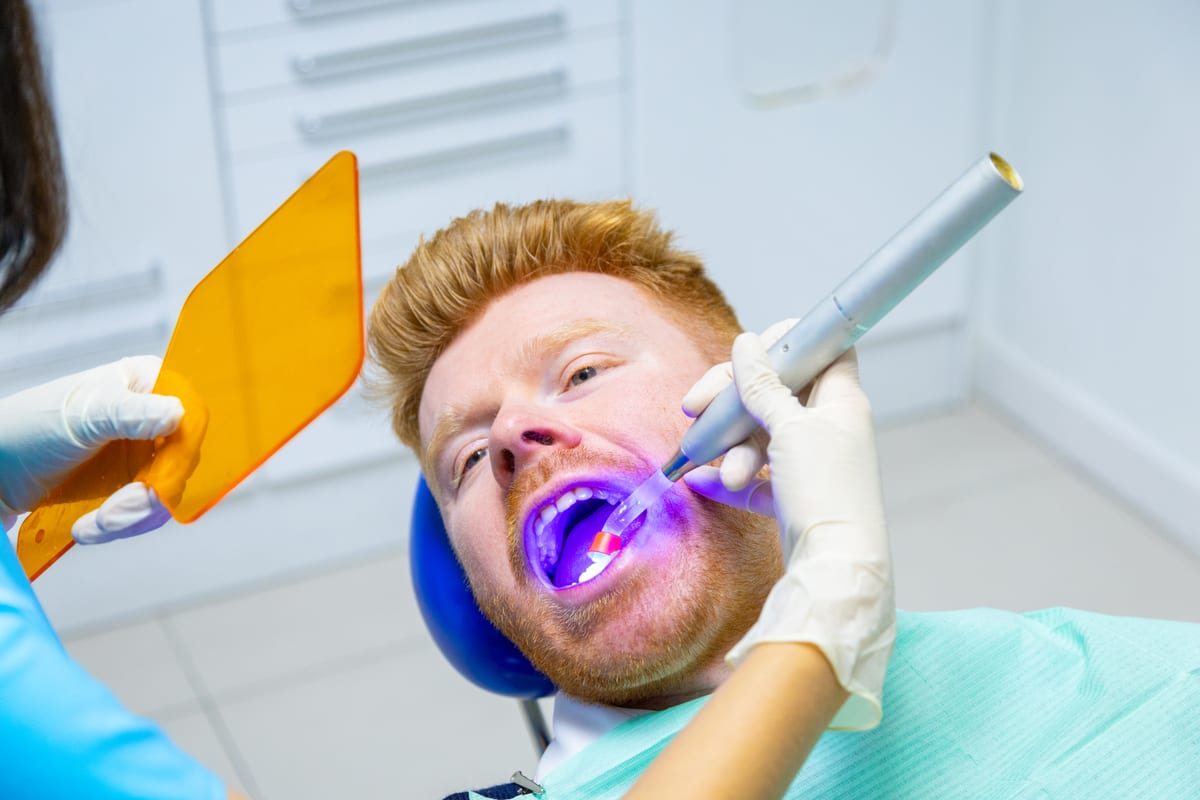
At Pearl Dentistry of Butler, Dr. Xiaozhu Sue Chu and our hygiene team use specialized instruments designed specifically for tartar removal. These tools make all the difference between a thorough cleaning and a surface-level one.
The primary tool used is a scaler. Scalers come in two forms: hand scalers and ultrasonic scalers. Hand scalers are precise metal instruments used to scrape deposits from specific areas. Ultrasonic scalers use vibration and water to break apart tartar, especially from deeper pockets around the gumline.
A professional cleaning removes:
- All hardened tartar above and below the gumline
- Soft plaque from surfaces your brush misses
- Surface stains from coffee, tea, and food
- Bacteria living within tartar deposits
- Buildup from pockets between your teeth and gums
After scaling, your teeth are polished with a gritty paste to smooth enamel surfaces. Smooth enamel makes it harder for plaque to re-attach quickly. The entire process protects your teeth and gums in ways home care never can.
What Happens When Tartar Goes Untreated
Leaving tartar on your teeth is not just a cosmetic issue. It creates a chain reaction of oral health problems that worsen over time. Bacteria living inside tartar constantly release toxins. Those toxins irritate gum tissue and cause inflammation.
Inflamed gums mark the beginning of gingivitis. Gingivitis causes redness, swelling, and bleeding when you brush. Without treatment, gingivitis progresses to periodontitis, a more serious form of gum disease. Periodontitis can lead to bone loss, tooth mobility, and eventual tooth loss.
Untreated tartar buildup also increases your cavity risk. Bacteria thrive in the warm environment tartar creates. They produce acids that erode enamel and form cavities in hidden spots. Catching these problems early often means the difference between a simple filling and needing Emergency Dentistry Butler care for a dental crisis.
Beyond function, heavy tartar affects the appearance of your smile. Yellowing and browning of the teeth are often caused by tartar staining. If you are interested in improving your smile’s appearance, Cosmetic Dentistry Butler options become far more effective after tartar is professionally removed.
How Often Should Butler Patients Get a Professional Cleaning?
Most dental professionals recommend a professional cleaning every six months. However, some patients need more frequent visits. If you produce tartar quickly, have a history of gum disease, or smoke, three to four month cleanings may be better for you.
Dr. Chu evaluates each patient individually during their appointment. She considers factors like tartar buildup rate, gum health, and overall oral hygiene habits. Her recommendations are personalized, not one-size-fits-all.
Between cleanings, your home routine still matters greatly. Brushing for two full minutes twice daily and flossing once a day slows plaque accumulation. Using a fluoride toothpaste strengthens enamel against acid attacks. Staying hydrated and limiting sugary snacks also helps reduce plaque production throughout the day.
Butler patients who maintain consistent professional cleanings tend to have healthier gums, fewer cavities, and lower treatment costs over time. Prevention is always more comfortable and affordable than restorative work after problems develop.
Schedule Your Professional Cleaning at Pearl Dentistry of Butler
Pearl Dentistry of Butler is here to help you maintain a healthy, clean smile through every stage of life. Dr. Xiaozhu Sue Chu and our caring team provide thorough, comfortable cleanings in a welcoming environment. We take time to educate patients and answer every question they have. Book Now to schedule your appointment with our team.
Frequently Asked Questions
Can tartar be removed at home without a dentist?
No. Once plaque hardens into tartar, it cannot be removed with a toothbrush, floss, or any over-the-counter product. Tartar bonds to enamel and requires professional scaling tools to safely remove it without damaging your teeth or gums.
How long does it take for plaque to turn into tartar?
Plaque can begin hardening into tartar in as little as 24 to 72 hours if it is not removed. The speed varies by individual. Some people mineralize plaque faster than others due to saliva chemistry and diet.
Does tartar cause bad breath?
Yes. Tartar is a porous surface that harbors bacteria. Those bacteria release sulfur compounds as they feed on food particles. This is a common cause of persistent bad breath that does not improve with brushing or mouthwash alone.
Is a professional cleaning painful?
Most patients experience little to no discomfort during a routine cleaning. If you have heavy tartar buildup or sensitive gums, there may be mild sensitivity during the process. Dr. Chu and our team work gently and communicate with you throughout your visit to keep you comfortable.
What is the difference between a regular cleaning and a deep cleaning?
A regular cleaning removes tartar and plaque from above and just below the gumline. A deep cleaning, also called scaling and root planing, treats tartar that has accumulated deeper into the gum pockets. Deep cleanings are typically recommended for patients showing signs of gum disease.